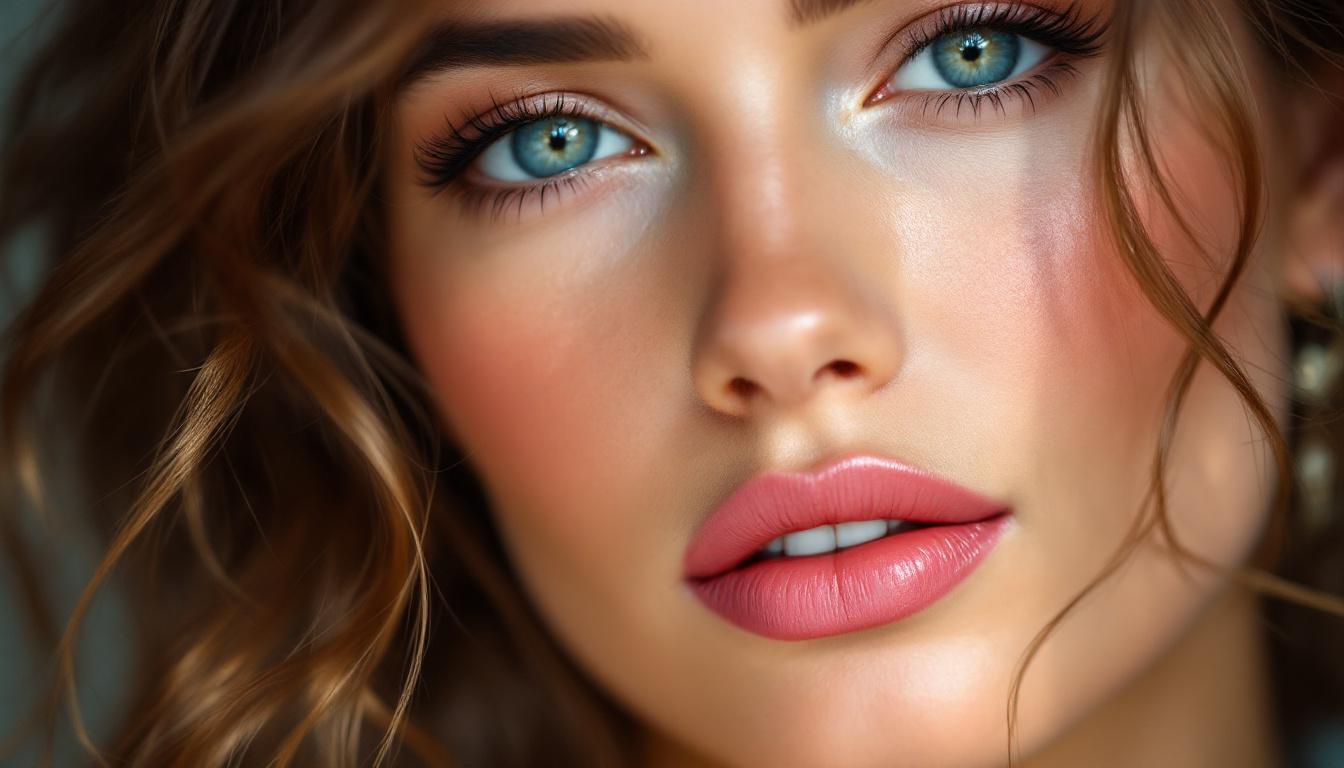
Ballet slipper pink lips are having their moment on the Spring 2026 runways, and not in the saccharine way your high school yearbook photos remember; designers sent out a delicate, painterly pastel that required discipline rather than denial.
The danger with this pastel lip trend is obvious: copied verbatim it reads costume, twee or worse - a mismatched echo of youth. The reward, however, is greater: when executed with a skin-first philosophy, a surgical technique and sensible pairing, that pale pink looks sovereignly modern. Consider this your pink lip tutorial for grown-up spring dressing - how to prep, how to place, and how to make the shade speak couture instead of cutesy.
The Brief Edit
Beauty reformulations, trend shifts and buying guidance. Twice a week, free.
Skin-first prep: the invisible infrastructure
Pastels live or die on the canvas you give them. Before you even reach for pigment, build a lip bed that reads hydrated, plumped and forgiving. Exfoliate gently with a sugar polish or a sonic lip brush - the goal is to erase vertical lines, not sandblast the skin. Follow with a hyaluronic-rich balm and leave it to sink; you want suppleness, not a slippery film that repels color.
On mature skin, a thin veil of cream foundation or concealer across the lip line does two things: it neutralizes hyperpigmentation that can make pale pink look patchy, and it gives a blank border for a crisp application. If your lips are very pigmented, warm the ballet slipper pink with a dusting of peach-coral primer at the center to keep it from looking ashy. This is the single most reliable trick to keep the pastel from collapsing into powder.
Surgical application: the luxe way to paint a pastel
Forget blunt lipstick tubes and hard-edged liners. The most current way to wear ballet slipper pink lips borrows from couture millinery - precise, deliberate, soft. Load a narrow lip brush with product and start at the center of the lower lip, painting outward in tiny strokes. For a modern, lived-in finish, stop short of the outermost corners; a slightly interior placement reads chic rather than theatrical.
To avoid the juvenile look of a full-on opaque pastel, try the cream-then-sheen method. Apply a thin layer of a pigmented balm or crème lipstick, then pat-don’t swipe-a transparent balm or a gloss with minimal opalescence in the center of the lips. The contrast between a creamy base and a glossy heart gives depth, so the color reads like skin with intention, not a face painted for a music video.
If longevity is your concern, use a stain underlayer. Dab a touch of tint in the mouth center, blend with your fingertip, then seal the edges with a concealer-brushed line. Press a single-ply tissue over the lips and powder lightly through it with a translucent, microfine powder - this mutes excess shine while anchoring the pastel. The result is wearable all day without the chalky matte finish that ages the complexion.
Finish and pairing: texture, wardrobe and watercolor blush pairing
Texture is the quiet dictator of perception. Satin and sheer finishes read luxurious; flat pastels read costume. If you choose gloss, keep it glassy only at the center. If you choose satin, make sure it has emollients so the color sits within the lip’s topography rather than smearing across fine lines.
Spring 2026 makeup on the runway favored painterly touches - think watercolor blush pairing rather than boxed rosiness. Mirror that approach: a soft, diluted wash of pink or peach on the apples, blended up and outward toward the temple, complements the gentle lyricism of a ballet slipper lip. Pair the lip with a neutral eye - creamy beige shadows, a whisper of brown mascara - or, if you prefer drama, a thin, smoked liner close to the lashes. The key is balance: let the lip feel like part of a larger aesthetic, not an isolated headline.
Wardrobe matters. Floaty organzas, tailored linen suits in dove gray, but also the unexpected: a leather jacket to give the pastel patina, a chunky knit to let it read cozy rather than coy. The interplay between fabric texture and lip finish decides whether the overall look is editorially interesting or merely saccharine.
Makeup for mature skin: permission to play, with boundaries
There is an old beauty myth that pale pinks are off-limits after a certain age; it is precisely that - a myth. On mature skin, the secret is dilution and placement. Swap heavy liners for feathered edges: apply color narrowly to the center third of the lips and feather outward with a clean brush. Use products with light-reflecting ingredients that bounce back youth - subtle pearls, hyaluronic fillers - rather than full-on shimmer which emphasizes texture.
For a corrective effect, mix a tiny amount of neutralizing concealer into your lipstick to tame any unevenness. If vertical lines are prominent, avoid thick, matte formulations; instead, choose a cushiony semi-sheer that slips into creases and softens them. Think of the process as restorative rather than transformative: you are enhancing the mouth’s natural tone, not disguising it.
Make the pastel read intentional - never adolescent.
The practical, grown-up pink lip is less about color volume and more about placement, skin health and textures that flatter. This is especially true in a season that looks back at art history while simultaneously asking for modern restraint: Spring 2026’s ballet slipper pinks were painted on models whose faces were lived-in, not staged. The best way to borrow the trend is to honor that ethos.
For a quick, foolproof pink lip tutorial you can do in five minutes: exfoliate lightly, balm for thirty seconds, neutralize the lip edges with concealer, paint a thin central layer of pastel with a brush, pat a dab of gloss into the center, and set the perimeter with powder through tissue. It sounds fussy because it is - good beauty usually is - but the result is a matte-sheer, lived-in pastel that reads couture, not cameo.
When you step out this spring, let the ballet slipper pink be a considered note in an otherwise composed look. Wear it with confidence, and remember the modern trick: less is deliberately more. The pastel must sit within the face, harmonize with skin tone, and be accompanied by fabrics and finishes that lend gravitas. Do that, and the trend becomes not a costume but an elegant shorthand for contemporary femininity.
Frequently Asked Questions
What exactly are ballet slipper pink lips?
Ballet slipper pink lips are a soft, cool-toned pastel pink-think satin or sheer finish rather than opaque candy. The goal is a delicate, slightly washed-in look that reads polished and modern; finishes range from balmy stain to satin lipstick and light gloss for dimension.
How do I make ballet slipper pink lips look sophisticated on mature skin?
Start with exfoliation and hydrating balm to avoid settling. Use a neutral-rose liner to redefine edges, then opt for a sheer satin or stain-avoid chalky, matte pastels. Keep the rest of the face skin-forward: soft blush, groomed brows, and minimal heavy eye makeup to maintain polish.
Which products and formulas work best for this trend?
Choose hydrating formulas: tinted balms, balm-to-stain tints, and satin lipsticks. A neutral-pink liner prevents feathering; a touch of clear or pearly gloss centers the lip. Look for longwear stains with emollients or sheer lipsticks with hyaluronic acid for comfort and pigment.