Why this matters
As temperatures rise and consumers demand immediate relief from redness, puffiness and post-procedure sensitivity, cooling skin care answers a real need. This is not a fleeting sensation trend but a functional shift toward barrier-first, temperature-aware routines that improve comfort and visible skin health.
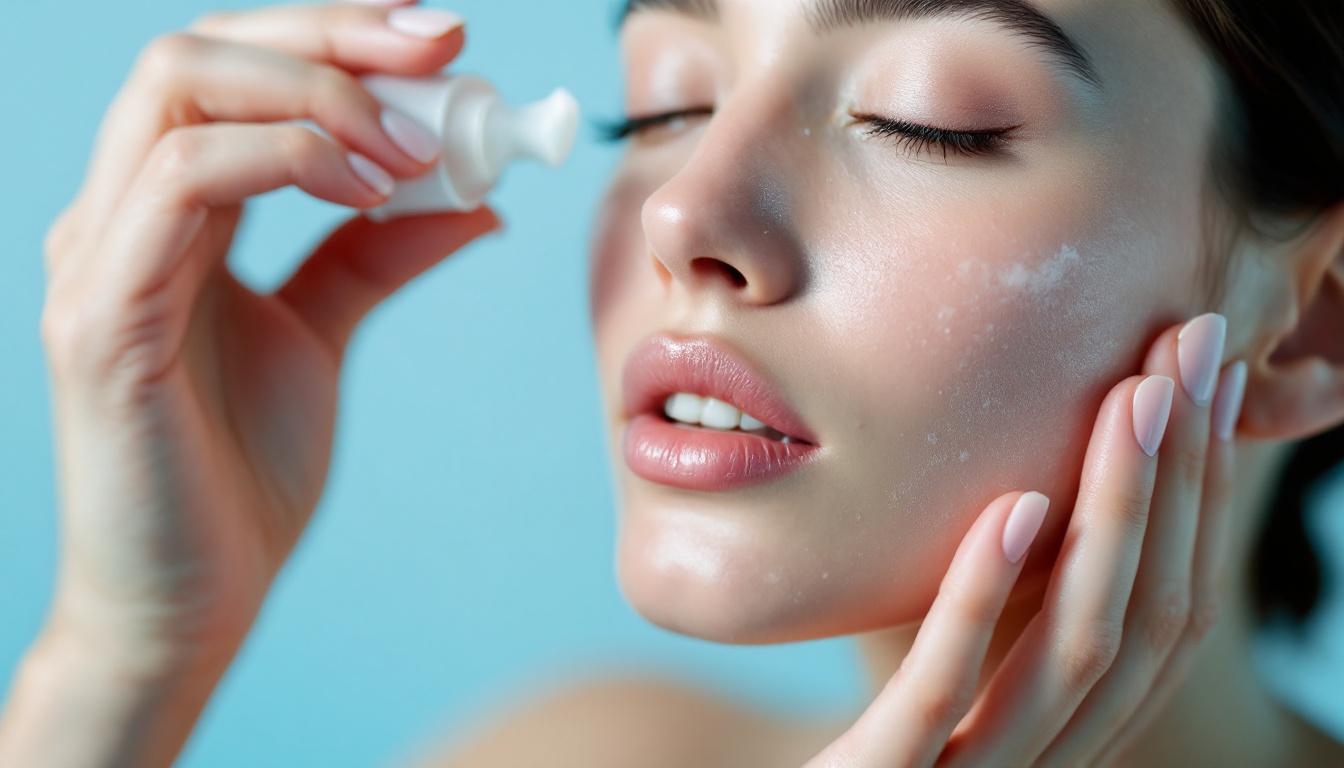
Cooling skin care is the sensible reset your spring routine actually needs, not a gimmick or a one-note sensation to chase. After seasons of heavy creams, actives and over-exfoliating enthusiasm, what skin asks for most right now is temperature control, barrier repair and a quieter surface. That is the tidy promise of menthol-free cooling gels, cryo tools and purpose-built coolers, and this spring they are replacing the old, harsh idea that cold must sting to work.
Why cooling skin care finally matters
Beauty trends come and go, but the shift toward cooling skin care is practical, not performative. It was one of the trends Sarah Chung Park flagged recently, and you can see it across runways and dermatologist offices alike: a desire to calm visible inflammation, reduce post-flight or travel puffiness and support skin temperature regulation without compromising the barrier. That last point matters. Hitting skin with menthol gives a momentary high, but it also stimulates TRPM8 receptors and can strip or irritate compromised skin. The smarter route is menthol-free cooling, which leans on soothing humectants, anti-inflammatory botanicals and water-rich textures designed to lower surface temperature gently and sustainably.
The Brief Edit
Beauty reformulations, trend shifts and buying guidance. Twice a week, free.
The science you can feel - without the sting
Cold constricts blood vessels. That is the headline everyone knows. The nuance is that modestly lowering skin surface temperature reduces inflammatory signaling and slows fluid buildup that becomes under-eye puffiness and facial swelling. Cooling done well is about supporting microcirculation and reducing transepidermal water loss while encouraging repair. Ingredients like panthenol, allantoin, ectoine and thermal spring waters offer osmoprotection and repair without triggering the nerve endings menthol excites. Gel textures packed with glycerin and low-molecular-weight hyaluronic acid feel instantly cooling because they evaporate and draw heat away, a physical effect you will notice, but it is the barrier support that keeps redness from returning.
Cooling skin care is not about the sharp thrill of menthol, it is about quieting inflammation and repairing the barrier.
How to fold cooling face products and cooling body serums into a barrier-first routine
Start with intention. If you have rosacea, reactive skin or chronic dryness, mentally veto menthol and peppermint. Instead, look for cooling face products that promise hydration and anti-inflammatory actives. After cleansing, a lightweight, cucumber-forward toner or a thermal water mist calms heat and primes skin for actives without shock. Follow with a water-gel moisturizer or a gel-serum hybrid in the morning, and reserve richer creams for night if you need them. For evenings when your face feels puffy from travel, sleep or salt-heavy meals, a quick cryo tool session using a chilled metal roller or gua sha will give vasoconstriction plus lymphatic encouragement, but only after applying a hydrating serum to reduce friction.
Body care deserves equal attention. Cooling body serums are not a novelty, they are a practical response to sun-tingle, post-workout heat and eczema flare management. Use them after showering, when skin is warm and more receptive. The right formula will sink in, lower surface temperature and lock in moisture so you are not trading sensation for dryness.
Editor-tested products and tools that actually deliver
I tested a small rotation of products over several weeks, focusing on textural politics and real-world efficacy. For a daily, non-irritating toner mist that calms heat fast, I reached for Kiehl's Cucumber Herbal Alcohol-Free Toner ($20 approx). It is simple, plant-forward and, importantly, menthol-free, so you get cooling from water-rich botanicals rather than nerve stimulation.
When I wanted a face moisturizer that cools on contact and reads as lightweight under makeup, belif The True Cream Aqua Bomb ($38 approx) was the workhorse. Its gel-cream texture uses glycerin and herb extracts to lower heat and lock in moisture, and it layers cleanly with serums without pilling.
For moments when skin needs an immediate, soothing reset, a thermal spring water or mist is indispensable. I keep La Roche-Posay Thermal Spring Water (approx £8) in my bag. Spray on over makeup for instant relief, or press into skin after a long flight to reduce tightness and prep for night care.
And tools matter. There is value in a cold tool that stays cold. A stainless-steel roller or a well-balanced jade gua sha like the ones stocked in department store tool sections will firm, de-puff and help the actives you use penetrate. I have been reaching for a chilled roller during late-afternoon meetings to keep puffiness in check, pairing it with a hydrating gel or a cooling eye product so you do not drag dry skin across the surface. If you prefer a higher-tech route, controlled cryotherapy sessions in a clinic make sense, but for home, a simple tool plus the right gel is enough to change how your face reads in photos and how it feels.
Finally, the best cooling gels are not just cold-feeling. They marry evaporation-based cooling with replenishing molecules. Look for low to mid-weight humectants, anti-inflammatory botanicals and no denaturing alcohols or essential oils that can aggravate. That combo gives immediate gratification and long-term improvement.
When to keep cooling gentle, and when to call a pro
Never use aggressive cooling if you have broken skin, active eczema lesions or angiomas that bleed. For persistent flushing or severe rosacea, consult a board-certified dermatologist before building a cooling protocol. If sensitivity is your constant companion, slow-roll new cooling face products into your routine, patch testing and using them on small areas first. But for the majority of us - tired skin, travel-affected complexions, temporary puffiness and seasonal inflammation - the right menthol-free cooling approach is restorative, not performative.
Spring will always bring the urge to tweak and refresh. This season, that impulse favors restraint and repair. Choose formulas that soothe and tools that assist, and you will find that feeling cool is less about drama, and more about resourceful care.
Key Takeaways
- Prioritize menthol-free cooling formulas that soothe inflammation and support the skin barrier.
- Use cooling face products, thermal mists and cryo tools to reduce puffiness and aid skin temperature regulation.
- Look for hydrating humectants and repairing actives - low irritation is more effective than a sharp cooling sensation.
Frequently Asked Questions
What is cooling skin care and how does it work?
Cooling skin care refers to products and devices that lower skin surface temperature or create a cooling sensation. They use actives like cooling polymers, silica and hydrating humectants plus cold tools to reduce inflammation, constrict vessels and calm puffiness, improving immediate comfort and visible redness.
Is menthol safe, or should I look for menthol-free options?
Menthol gives an obvious chill but can irritate sensitive skin, worsen rosacea and disrupt the barrier. Menthol-free cooling actives—cooling polymers, dipotassium glycyrrhizate, silica and humectants—offer soothing benefits without sting. Patch test first and choose menthol-free if you have reactive skin.
Can cooling skin care help acne or rosacea?
Cooling products won’t cure acne or rosacea, but they can reduce redness, swelling and post-procedure inflammation. For acne, cooling can calm inflamed lesions and make treatments more tolerable. For rosacea, stick to gentle, menthol-free formulas and consult a dermatologist for flares.
Blush Brief editorial is independent. We may include affiliate links; these are always disclosed and do not influence our recommendations.