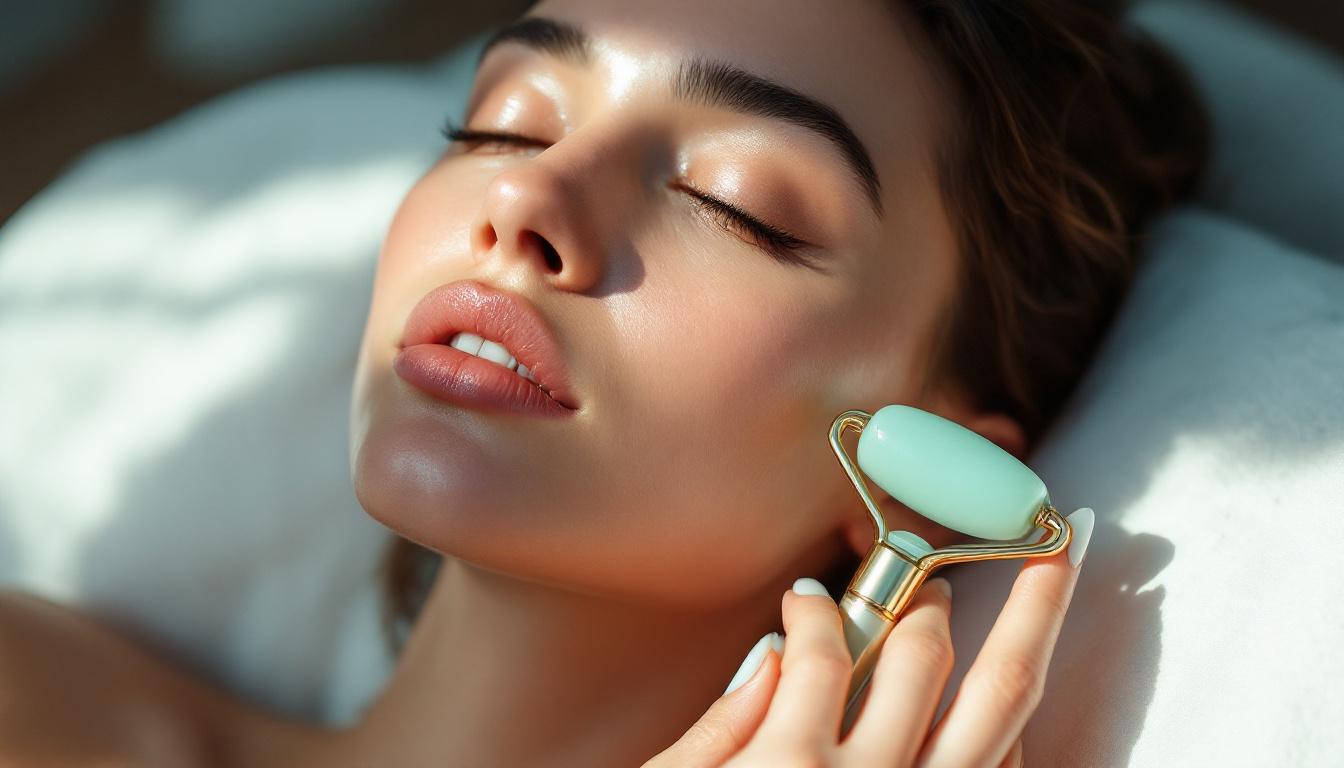
This spring, the beauty aisles have a chill-literally. Cooling skincare has graduated from gimmick to governing aesthetic, a parade of menthol serums, chilled rollers and cryo tools promising instant de-puffing and a salon-fresh snap. Industry insiders from Sarah Chung Park to trend editors are calling this one of Spring 2026's defining movements; the public loves a sensation as much as a result. But beneath the iced-glass gloss there is a not-so-quiet pushback from dermatologists warning that some cooling face products trade comfort for irritation, and that improper layering can turn a pleasant ritual into reactive, reddened skin.
Why the chill feels so good - and why that doesn’t prove efficacy
The pleasure of chilled skin is immediate and persuasive. Cooling agents constrict superficial blood vessels, reduce swelling and lower surface temperature; a refrigerated roller over the eye is a legitimate anti-puff treatment on a Monday morning. Evaporative mechanisms in some formulas-think menthol’s sensory effect-deliver a cold illusion that the brain reads as relief. That sensation is real, which is why so many cooling moisturizers and other cooling face products sell out every season.
The Brief Edit
Beauty reformulations, trend shifts and buying guidance. Twice a week, free.
But sensation is not the same as long-term benefit. A cooling moisturizer that feels fantastic when applied might do nothing for barrier repair, pigment, pore size or chronic redness. The smart adopters of this trend pair the chill with clinically valuable ingredients: humectants like hyaluronic acid, barrier builders such as ceramides, and anti-inflammatories like niacinamide or dipotassium glycyrrhizate. The result is a soothing skin routine that looks and behaves as if it belongs in a dermatologist’s office rather than a gimmick-filled Instagram reel.
The real risks: ingredients, layering and sensitive skin
Here are the parts of the story the beauty PR copy never mentions: menthol skincare, while sensational, is a common culprit in contact dermatitis. Menthol and related terpenes activate cold-sensitive receptors in the skin; in concentration or in compromised skin they can provoke stinging, long-lasting flushing or even allergic reactions. Other offenders include fragrant essential oils, denatured alcohols that evaporate fast to create a cooling sensation, and certain botanical extracts that are not innocuous simply because they’re natural.
Layering increases the stakes. Cooling serums applied over freshly exfoliated skin or on top of potent actives such as retinoids and alpha hydroxy acids can amplify irritation. Conversely, putting an active serum onto a skin freshly debilitated by an aggressive cooling agent isn’t clever either. Dermatologists report seeing cases where a cryo tool or an icy mask used in combination with chemical exfoliation led to prolonged hypersensitivity and dermatitis. Rosacea, eczema and barrier-compromised complexions are particularly vulnerable; the very people most likely to crave the instant calm of cooling skincare may be the ones who pay for it, later, with redness and reactivity.
Cooling skincare is not a stunt-mishandle it and you invite irritation, handle it correctly and it delivers a refined, relief-driven lift.
How to use cooling skincare the right way
The how-to here is refreshingly simple: less is more, and context is everything. Patch test every menthol-containing serum for 48 hours on your inner forearm before meeting your face. If you use acids or retinoids, schedule cooling treatments as a complement, not as a concurrent shock: treat chemically exfoliated skin first, let it rest for 24–72 hours depending on tolerance, then introduce a cooling product that prioritizes barrier repair rather than sensory thrill.
When you reach for a chilled tool, do not freeze it. Cryo globes and rollers live comfortably in the refrigerator for 10–30 minutes - long enough to deliver pleasant constriction without inflicting frostbite-level trauma. Work in short passes, frame to frame: over the orbital bone for eyes, along the jawline for sculpt, and avoid dragging a hypercooled roller repeatedly across superficial broken capillaries. If you’re using a menthol serum, apply it thinly and seal with a cooling moisturizer that contains ceramides or cholesterol to preserve the barrier. Never mix menthol-heavy formulas with benzoyl peroxide or potent acids at the same moment; the combination can be unnecessarily aggressive.
A refined routine for Spring 2026
Morning: Start with a gentle cleanser and a lightweight antioxidant serum. Follow with a chilled soothing serum or a cooling face product that lists hyaluronic acid and niacinamide near the top of the ingredient deck, not menthol. Apply a cooling moisturizer with barrier-supporting lipids and finish with SPF. The coolness will depuff and the actives will work; crucially, you have not compromised the skin’s defence before sun exposure.
Evening: Keep it restorative. If you use a retinoid, do so on dry, uncooled skin, and wait until the retinoid has absorbed before introducing any cooling tools-preferably on alternate nights. Reserve menthol-rich treatments for days when your skin is calm, not the night after a peel.
Tools: Treat cryo globes and chilled rollers like jewelry. They add polish, they behave like accessories that enhance a routine rather than replace it. Don’t assume frequency equals benefit; ten minutes a day is plenty. If a tool or product produces stinging beyond a few seconds of coolness, stop. The immediate reward is never worth chronic irritation.
For sensitive skin types, the elegant option is formulation-based cooling rather than menthol sensation: look for cooling moisturizers that lower temperature gently through hygroscopic ingredients and lightweight emollients, or for products that use dipotassium glycyrrhizate and allantoin to soothe without sensory theatrics.
There is a deeper lesson in all of this. Trends arrive for a reason: they respond to desire and to a cultural mood. Cooling skincare answers our appetite for immediate gratification, for rituals that feel both clinical and indulgent. But a trend that flourishes by virtue of sensation rather than science will always be a fad waiting to be corrected. If you want the lift without the fallout, select products that pair the chill with true skin health; respect the order of operations; and treat your tools as the finishing touch they are.
Spring’s cooling moment can be refined, useful and quietly luxurious-if you stop treating cold as a stunt and start treating it as a technique.
Frequently Asked Questions
What exactly is cooling skincare and how does it work?
Cooling skincare uses temperature‑modulating ingredients or devices - menthol, alcohol evaporative agents, chilled rollers or cryotherapy tools - to create a sensation of cool. The effect is temporary vasoconstriction, reduced surface inflammation and a tightening sensation, but lasting benefits depend on the active ingredients and hydration level.
Is menthol safe for my face?
Menthol delivers an immediate cool but is a common irritant and photosensitizer. Patch test first; avoid high concentrations if you have a compromised barrier, rosacea, eczema or active breakouts. For sensitive or reactive skin, choose formulations that pair mild cooling agents with ceramides, glycerin or niacinamide.
How do I add cooling products into my routine without causing damage?
Start with one product: a cooling serum or gel used after cleansing and before moisturizer, once daily. Skip mixing with strong acids or fresh retinoids during the same session. Use fragrance‑free, hydrating bases and monitor for stinging. Reduce frequency if you experience redness or peeling.