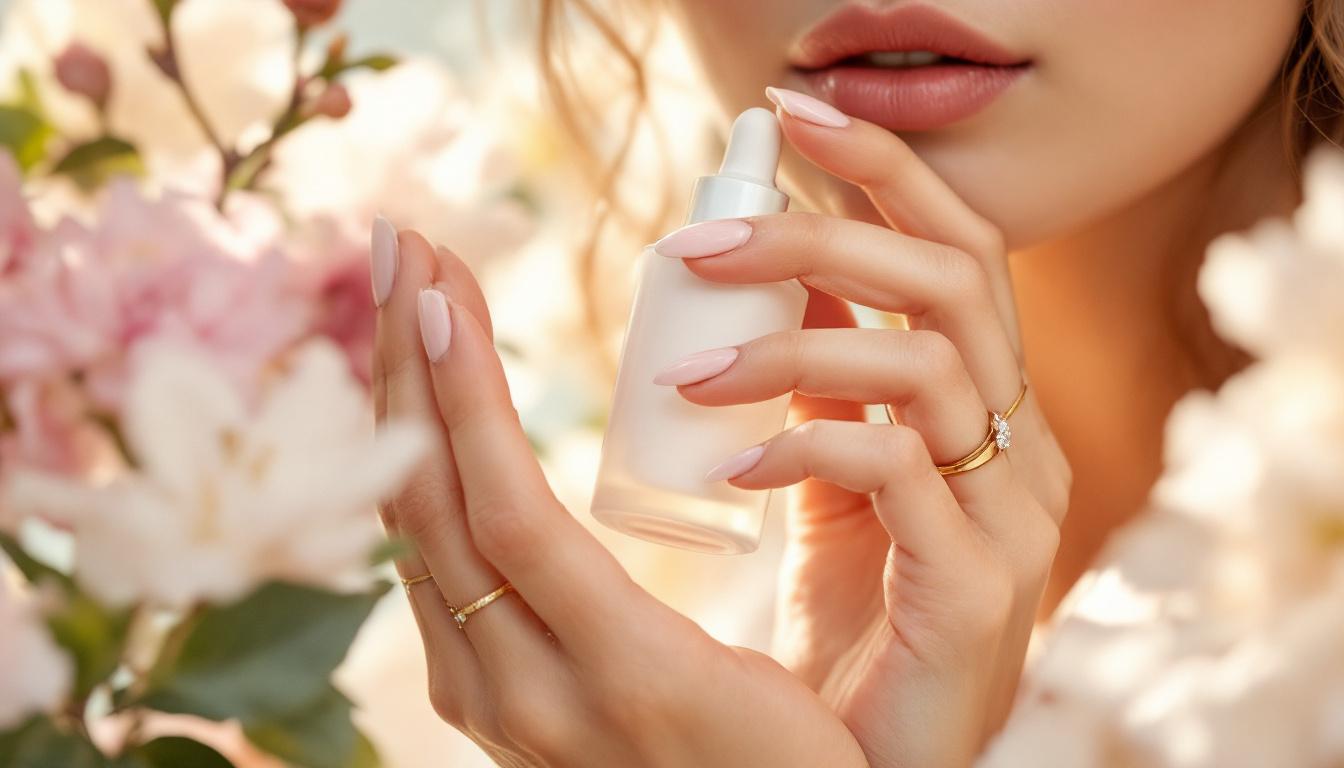
Retail therapy used to be about impulse and indulgence. Now it is about inspection, motive and a receipt you can trust. Ethical jewellery trends have moved from niche marketing talking points to purchase drivers, driven largely by clean beauty consumers who want the same transparency for their diamonds and chains as they expect from their serums.
Why the beauty world pushed jewellery into the light
We are in a moment where the beauty industry’s reckoning with ingredients and provenance has rewritten buyer expectations across categories. Follow the headlines and you will see the signal: ESW Beauty’s rebrand announced an explicit recommitment to clean formulations and community-driven transparency. Credo adding Saie to its portfolio underscored that clean is not a fad but a standards-driven market. Review pieces and roundups from The Good Trade and BeautyMatter show consumers care as much about an ingredient list as they do about who made a product and how.
The Brief Edit
Beauty reformulations, trend shifts and buying guidance. Twice a week, free.
That same logic travels. If you will not buy a face oil unless you can trace its botanicals, you will not buy a chain unless you can trace its gold. Jewellery brands have noticed. They are repositioning sustainability not as an optional PR exercise but as the core of their value proposition. The clean-beauty consumer wants full disclosure. The jewellery industry is learning to give it.
What ethical jewellery means today
Ethical jewellery in 2026 is practical, not performative. It is recycled gold jewelry with documented chain-of-custody. It is lab-grown diamonds that come with lab certificates and laser inscriptions. It is traceable gemstones where origin statements go beyond “responsibly sourced” to named mines, audited suppliers and shipment records. Sustainable jewellery can be small-batch, repair-forward, and designed to be loved for a lifetime instead of tossed when trends shift.
We have moved past the checklist era of buzzwords. Consumers now ask for percent-recycled content, assay marks verifying metal purity, and third-party audits that confirm a claim. Certifications matter. Responsible Jewellery Council membership, Fairmined and Fairtrade gold, and independent gem labs are not foolproof, but they create measurable accountability. At the same time, transparency is about storytelling and supply-chain documentation that any diligent buyer can inspect.
Provenance sells as much as sparkle, and that reality will not be reversed.
How to vet claims without becoming paranoid
Start with paperwork. If a retailer shows you a lab-grown diamond, ask for a certificate from GIA, IGI or another respected lab and look for laser inscriptions that match the paperwork. For gemstones, ask for mine names or exporter details, and push for a supplier list if you care enough. For metals, request assays or hallmarks and ask what percentage of the piece is recycled gold. Recycled gold jewelry should carry documentation from the recycler or a chain-of-custody statement from refiner to manufacturer.
Ask hard questions about repairs and resale. Brands committed to sustainability will offer repair services or take-back programs. That tells you they expect the piece to last and to be part of a circular lifecycle, not a seasonal SKU. Beware of vague language like "conflict-free" without supporting documentation. The Kimberley Process addresses rough diamonds, but it does not cover human rights abuses at every point in a supply chain. Traceability is an ongoing project, not a one-time badge.
Use tools. Some brands publish QR codes or blockchain-backed ledgers that show each stop a gemstone or gold bar made on its journey. Those systems are not perfect, but they are a start. If a brand refuses to share basic provenance information, assume there is nothing to justify the premium being asked.
Why brands are leaning into sustainability as a competitive edge
There is a commercial logic to this shift that cannot be ignored. Clean beauty consumers are highly engaged, willing to pay premiums for verified claims, and vocal when trust is broken. Jewellery brands that offer traceable gemstones and lab-grown diamonds get two benefits: they speak to the buyer’s ethics and they control a cost structure that can be more predictable than mined stones. Lab-grown diamonds allow designers to scale brilliance without the opacity of multiple middlemen. Recycled metals reduce exposure to volatile mining politics.
Retailers are also hedging for the future. Accountability reduces reputational risk. A scandal around a brand’s supply chain can erase years of goodwill overnight. By investing in transparency now, companies protect their narratives and their margins. That is why you will see both heritage houses and aspirational challengers publish supplier maps, post audit summaries and launch lab-grown collections alongside high-jewelry offerings.
Finally, this is about aesthetics and values aligning. Consumers who read ingredient lists want their purchases to carry the same thoughtful scrutiny when it comes to adornment. Ethical jewellery is a logical extension of that ethos. It is not about virtue signaling. It is about aligning the objects you keep close to the values you actually live.
Buying with conviction, not anxiety
There is no perfect answer. Mining and manufacturing are complex, and supply chains will take years to fully clean up. But today you have leverage as a buyer. Demand certificates and supplier transparency. Support brands that invest in repair, resale and recycled content. Prefer lab-grown diamonds if you prioritize a smaller environmental footprint and predictable provenance. Treat jewellery like skincare: read the label, ask the right questions and expect brands to meet a standard, not redefine it with fluffy language.
Clean beauty made us better shoppers. It taught us to expect transparency, to reject empty claims and to vote with our wallets. The jewellery industry is finally catching up. That matters. The ring on your hand is an extension of how you show up in the world. It should reflect what you put on your face, in your body and in your home - namely, intention, honesty and care.
Frequently Asked Questions
What is 'ethical jewellery' and why does it matter to clean-beauty shoppers?
Ethical jewellery means pieces made with recycled metals, traceable gemstones and fair labor practices. Clean-beauty shoppers care because they already scrutinize ingredients; they expect the same transparency and low-impact sourcing from their jewellery, preferring brands that align aesthetics with measurable environmental and social standards.
How can I verify a jewellery brand's ethical claims?
Look for chain-of-custody documentation, third-party certifications like Fairmined, Fairtrade Gold and Responsible Jewellery Council membership, and transparent sourcing reports. Reputable brands will share mine or supplier names, auditing practices, and certification numbers. Red flags include vague “sustainable” claims, no provenance details and inconsistent product stories.
Are lab-grown diamonds or recycled gold a good investment?
Lab-grown diamonds and recycled gold offer ethical and budget advantages but are not guaranteed investments. They retain intrinsic value but historically appreciate less than rare mined stones. Buy them for design, sustainability and price-per-carat value rather than as a financial play. Keep receipts and certification for future resale.