The foundation you loved—the one that made mornings effortless and photographs flattering—has changed its mind without telling you. Welcome to your compact-sized crisis: 2026 has been a year of quiet chemistry and conspicuous disappointment, which is why this foundation reformulation guide exists, short, practical and slightly relentless.
What brands actually changed (and why you should care)
Heritage labels and drugstore darlings alike rolled out updates this year: new pigments to comply with inclusivity ranges, hyaluronic boosts to court the skin-care-first consumer, and altered binders that yield different finishes. These aren’t mere marketing tweaks. The palettes of base formulas have shifted—lighter-reflecting particles, new oil systems, different film formers—so the shade you memorised, the finish you relied on, the way the product sat in your pore lines: all of it can behave differently overnight. Call it foundation reformulations 2026: a season of sensible science, and a small war on habit.
The Brief Edit
Beauty reformulations, trend shifts and buying guidance. Twice a week, free.
How to test properly — and how to match the new shade
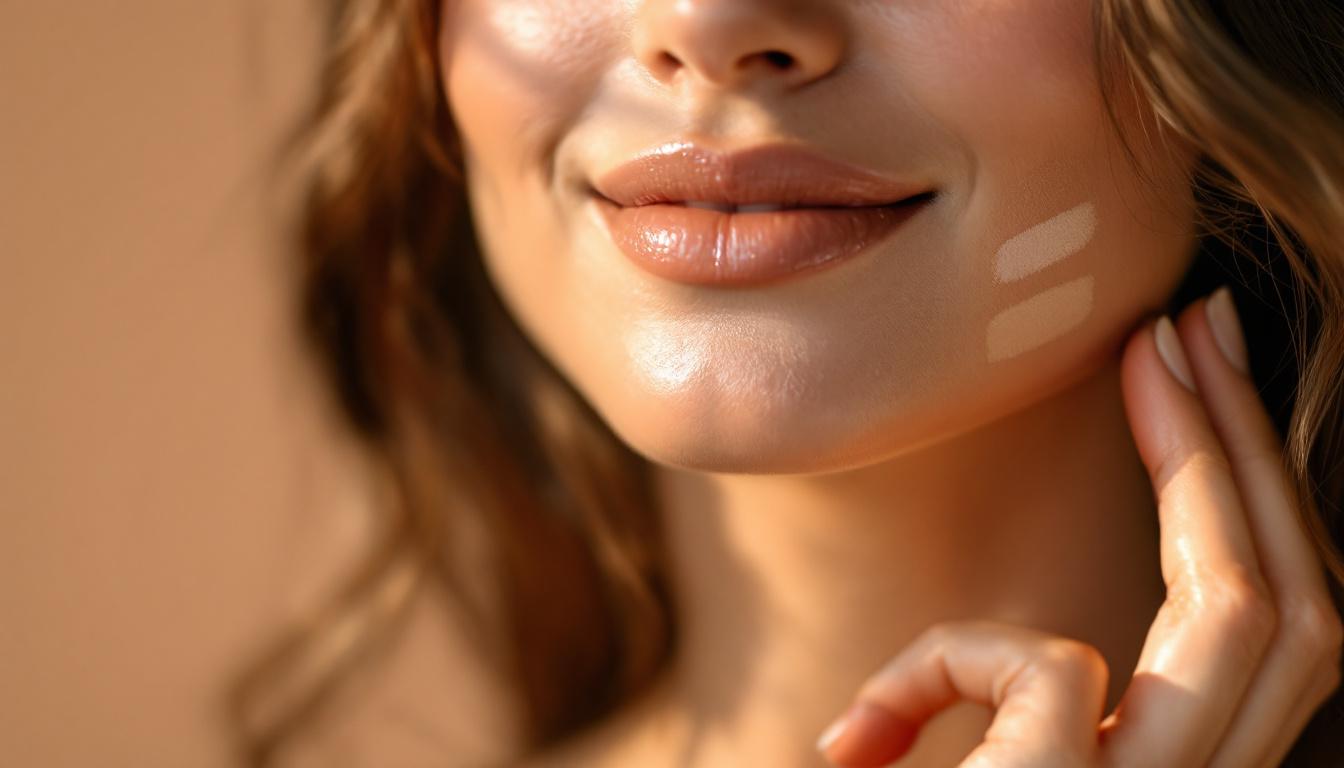
Take a breath: you do not need to assume the worst. But you do need a method. When you test foundation in store, banish vanity swatches on the wrist; the jawline remains the only honest terrain. Apply a thin stripe from ear to chin, blend the edge, then step into natural light. Wait fifteen to twenty minutes. Oxidation takes time; undertones reveal themselves slow and smug.
For the most useful reading, bring a close-up selfie in daylight on your phone and compare. If a brand offers samples, take one home. The art of how to match new foundation shade now hinges on three small rituals: testing on the jawline, waiting for it to rest on your skin, and comparing it against your neck and the inside of your arm. If those match, you have a contender.
Remember that reformulations often change how a product photographs. A formula with reflective micropearls can read lighter on camera but darker in person; conversely, a denser pigment load can appear flatter in flash. If you live by photos, test under screen light as well as sunlight.
If it doesn’t age on your skin the way the old one did, it’s not an update; it’s a betrayal.
Tools that rescue texture — and how to fix cakey foundation texture
Sometimes the new version merely misbehaves with your old application ritual. The remedy is often mechanical, not magical. The best tools to apply foundation in 2026 are the same trio every artist returns to: a dense, flat-top buffing brush for fuller coverage; a resilient, fine-mesh duo-fibre for feathered, skin-like finish; and a damp sponge to press pigment into place and eliminate brush streaks.
To fix cakey foundation texture, stop layering heavy product over texture. Start with truly hydrated, primed skin—serums that sink in, a light cream or skin tint rather than a heavy occlusive primer—and apply foundation in paper-thin layers, building only where needed. Use a damp sponge to press product into the surface rather than buffing it on and off; that pressing action collapses flakes and distributes pigment evenly. For oddly clingy formulas, mix one drop of facial oil or a water-based hydrator into a pea-sized pump of foundation; you will thin the film without losing coverage.
Mature or dry skin will benefit from using a silicone-based primer only in the T-zone and a hydrating primer on the cheeks. Powder is no enemy, but only when deployed sparingly: tap into creases with a tiny brush rather than sweeping across the whole face. If the new formulation cakes at corners, press setting powder into the skin rather than brushing it on.
When to accept the upgrade—and when to return it
Brands have been kinder with return policies lately, and when you’re faced with inexplicable cling, pronounced oxidisation, or an undertone mismatch, insist on a refund. A reformulation should feel like a better friend, not an entirely different person.
If the product darkens on you more than a shade, or snaps into an obvious pink or yellow you did not request, it is not your duty to adapt. Similarly, if a lightweight, hyaluronic-boosted version slides into your fine lines and refuses to behave even after swapping tools and primers, you have grounds for a return. Keep receipts, document with photos at application and after two hours, and take the sample into the counter—clear evidence trumps patience.
On the other hand, minor texture changes are sometimes worth embracing: a softer matte, a touch more dew, a slightly fuller coverage that lasts. If you can flatten the learning curve with a new tool or a drop of moisturiser, consider the upgrade earned.
Practical rituals to survive the retail roulette
Adopt these habits and you will shop with the kind of economy that separates collectors from the rest. First: never buy a full bottle in a scent—or in foundation land, a shade—until you have worn a sample for at least two days. Second: maintain a small drawer of testers. Keep a tiny glass jar of your old formula; blending one pump of the old with one of the new can often save a beloved finish while you decide. Third: learn the brand’s binder language. If a label adds hyaluronic acid, expect a dewier payoff; if it swaps from an ester to a film-former, anticipate longer wear but potentially more visible surface texture.
And do not be shy. Counter staff can do more than hand you a swatch; ask them to build a face, use their tools, and give you a sample to live with. If you find yourself repeating the same three words—"it cakes, it oxidises, it sits"—you’ve earned the return. Fashionable patience is fine; expensive disappointment is not.
Changes in formula are not failures; often they are improvements aimed at broader skin needs. But they demand a little curiosity, a little discipline and better tools. Treat new foundations like new lovers: test them in daylight, notice how they behave over time, and don’t keep one that makes you look older, cakier or happier in photographs than you feel in life.
Your compact’s contents are tiny investments in confidence. Learn the rules, pick your weapons—dense brush, duo-fibre, damp sponge—and refuse the shrug. The right base should disappear on your skin, not make its presence known. Shop like a critic, apply like an artist, and return like you own the archive.
Frequently Asked Questions
What exactly is a foundation reformulation?
A reformulation is when a brand changes a product’s ingredients, pigments, or texture—often to improve wear, stability or skin benefits. Expect shifts in finish, undertone, hydration levels and how pigments sit on skin; familiar shades can read lighter, darker or cooler after a change.
How can I tell if my shade has changed after a reformulation?
Swatch the old bottle next to the new one on clean jawline skin under natural light. Wear each for a few hours—observe oxidisation and flashback. If undertone or depth differs, sample adjacent shades. Don’t judge from photos or fluorescent mirrors; lighting betrays undertones.
Should I return a reformulated foundation or learn to adapt?
If the new formula breaks you out, pills, or oxidises badly, return it. For texture or shade drift, there are fixes: thin with a hydrating serum, mix with a shade-deepener or switch tools (damp sponge vs brush). Keep receipts and test in real wear before deciding.