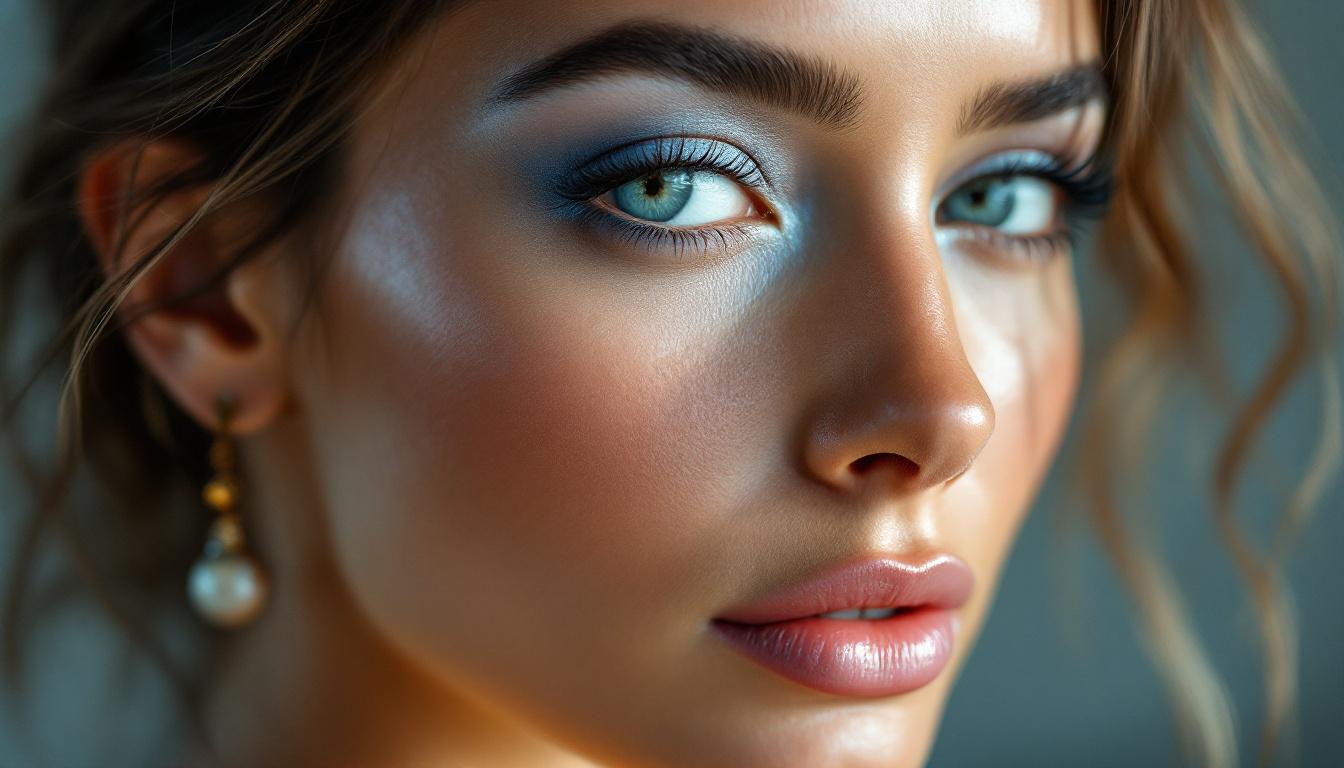
Baby blue never looked so grown up.
Runways and fast-fashion windows are full of it, but the real question for women 30 to 55 is not whether to wear baby blue eyeshadow, it is how to wear it so it reads elegant, not costume. This is not a trend memo. It is a practical manifesto: how to let a sky-toned lid feel modern, flattering and absolutely wearable for every age and skin tone.
The Brief Edit
Beauty reformulations, trend shifts and buying guidance. Twice a week, free.
Why baby blue matters this spring
Spring 2026 makeup trends have prioritized painterly color and softer contrasts, and baby blue landed as the season's favorite shorthand for ease and optimism. Designers used it as punctuation, not drama. It appeared as a smoky wash at Khaite, as a buttery eyelid at small independent labels, and in glossy pops on the streets outside the shows. What makes this different from past Y2K iterations is restraint. It is less about heavy liner or cartoon placement. It is about tone, texture and the relationship between lid and cheek.
Translating that to real life means thinking like a colorist rather than a costume designer. Consider intensity first, then placement, then finish. A soft, well-placed smear of baby blue can brighten eyes, lift the face and play nicely with existing pieces in your makeup wardrobe.
Formulas that actually flatter
Formula choice is everything. Powder blues can give a soft, airy wash, but they risk looking chalky on drier or mature lids. Cream blue eyeshadow is the underrated hero here because it melds into skin, blurring visible texture while still holding pigment. If your lids crease easily, use a thin layer of a long-wear cream followed by a light dusting of translucent powder at the edges to set without flattening the color.
Liners and pencils are another way in. A slim indigo or cornflower pencil traced close to the lash line reads sophisticated because it keeps most of the lid skin neutral and uses blue as a frame. For the most wearable effect, smudge the liner with a damp brush to soften edges. And if you live for a metallic finish, choose a subtle pearl rather than a shattered glitter. Tiny flecks catch light without turning the eye into a disco ball.
When you ask me for the best blue eyeshadow 2026, I say look for hybrids: cream-to-powder formulas that blend like a balm and finish like a soft-focus powder. They give longevity without heaviness and look flattering next to fine lines.
Placement and application for every age and lid type
Placement is a species of honesty. For hooded lids, keep the color confined to the mobile lid so you can see it when your eyes are open. Use a tapered brush to place pigment only where your lid folds, then gently diffuse the edges up toward the browbone. This lifts rather than adds weight.
If you have mature eyes, blue eyeshadow for mature eyes should prioritize luminosity over saturation. A thin swipe of cream blue eyeshadow across the center of the lid, blended into soft matte neutrals at the outer corner, adds youthful brightness without emphasizing texture. Avoid heavy blocks of color on the entire lid. You will get more flattering results by combining baby blue with warmer transition shades: a warm taupe in the crease and a whisper of shell-pink on the brow bone create contrast that reads natural rather than theatrical.
For deep skin tones, baby blue is breathtaking when paired with a slightly deeper base. Start with a neutral-brown cream over the lid, then layer a vivid cornflower cream or powder, pressing gently with a flat brush. This lets the blue sing true without looking ashy. For lighter skin, keep opacity low to avoid a pastel powder-puff effect. Blend outward until the edges are soft and insinuated rather than blocked.
Two edits: daytime chic and evening refined
Daytime chic: Use a cream blue eyeshadow as a sheer wash. Apply with fingertips for warmth, then blend the edges with a clean fluffy brush. Skip heavy eyeliner. Instead, add a coat of mascara and a matte peach blush to the apples of the cheeks. Lips should be softened with a tinted balm or a skin-tone gloss. The goal is freshness, not paint.
Evening refined: Build intensity. Lay down a pigmented powder in the center of the lid, then deepen the outer V with a soft espresso shadow. Line the upper lash line with a blue-black liner that reads deep rather than electric. Add a touch of champagne highlight to the inner corner. Finish with a satin lip in rosewood or berry for balance. This is where baby blue becomes modern glamour: it asserts color, but keeps the overall palette elegant.
Baby blue reads luxurious when you treat it like a color, not a costume.
Pro tips from the chair
Primer is non-negotiable if you want clean edges and lasting color. A skin-toned or slightly warm eye primer neutralizes discoloration so the blue reads true. Use a small amount and blend; too much primer can pill or create a sticky canvas that pulls at other products.
Layer strategically. Start with a thin cream base for longevity, then build color with powder. Press color on with a flat brush to get depth, then diffuse with a clean brush so the edges are soft. For precise work, a slightly dampened brush will intensify pigment without splintering glitter.
Balance matters. If baby blue is the star, keep everything else muted: groom brows so they frame the face, choose a fresh but subtle cheek, and avoid competing colors that push the look into costume territory. If you want to nod to maximalism, do it with texture not with competing hues. A glossy lid or a velvet matte both read high-fashion if executed with restraint.
Finally, pick formulas that suit your lifestyle. If you need all-day wear, choose long-wear cream-powders with transfer resistance. If you touch up, carry a pencil in your bag. If you are experimenting for the first time, trial a soft blue liner instead of committing to full-on lid color.
Baby blue is not a phase. It is a refined option in the palette of modern elegance, capable of brightening and lifting without shouting. Wear it with intention, choose the right formula for your skin and placement for your eyes, and it will become a piece of your regular rotation rather than a seasonal costume. Keep the rest of your face human. Let the color sing, not scream.
Frequently Asked Questions
Is baby blue eyeshadow flattering on all skin tones?
Yes. Choose intensity and undertone to flatter your skin: cool baby blues with silver shimmer suit cool undertones, warmer powder blues or aqua suit warm tones. Apply softly in layers, blend edges for translucence rather than solid color to keep the look modern and wearable.
What formula of blue eyeshadow lasts longest without creasing?
For longevity choose a long-wear cream or hybrid gel-powder that sets matte or satin. Prime the lid with a thin base and use a skin-tone powder to lock it. Powder eyeshadows layered over a cream base also increase staying power while keeping that watercolor, blurred effect.
How do I make baby blue eyeshadow look sophisticated, not childish?
Limit the palette: pair baby blue with neutral bronzes, a soft smoked liner, or just a washed lid and defined lash line. Keep brows groomed but natural, finish skin dewy rather than glittery, and avoid full-lid block color—blur edges and leave skin visible beneath the pigment.