LED Therapy for Hair: The At-Home Device Boom
Why red light has become the beauty world's favorite haircare hack and how to use it without wasting time or money
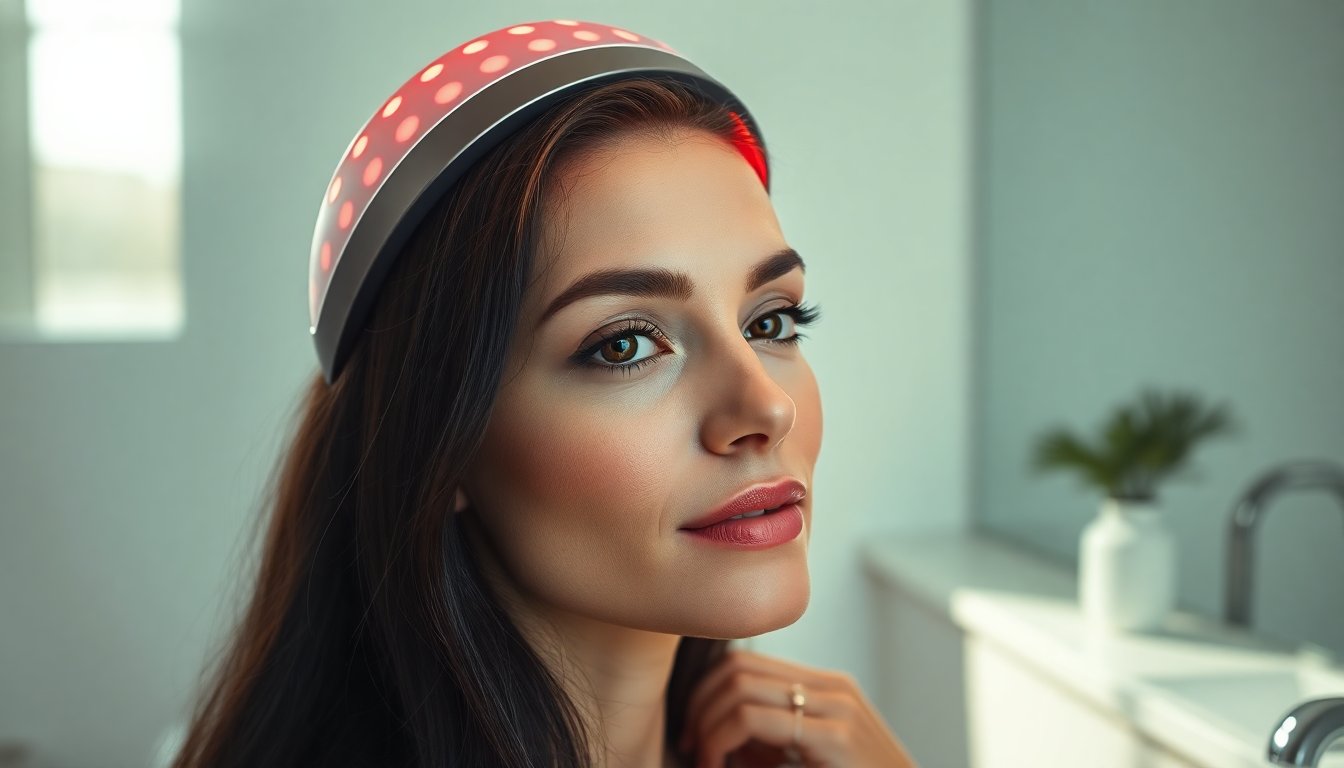
LED Therapy for Hair: The At-Home Device Boom
If you think red light therapy for hair is another beauty gadget destined to live under your bathroom sink, think again. LED therapy for hair has quietly graduated from clinical curiosities to chic bedside essentials because the science is real and the ritual fits into busy lives. For anyone juggling a receding part or overall thinning, at-home photobiomodulation hair devices offer one thing the Kardashians and shampoo bottles cannot - measurable results without needles or daily medication.
Why this is not marketing fluff
Photobiomodulation hair therapy uses specific red and near-infrared wavelengths to stimulate cells in the scalp. The working hypothesis, supported by several randomized trials, is simple and elegant: targeted light energizes mitochondria in hair follicle cells, increases ATP production, reduces local inflammation and improves microcirculation. The result is delayed hair shedding and an uptick in thickness and density for people with androgenetic alopecia or diffuse thinning. Call it a biochemical nudge rather than a miracle.
Clinical studies are not unanimous, but they are consistent enough that dermatologists I trust recommend low-level laser therapy alongside topical treatments. The data is strongest for wavelengths in the 630 to 670 nanometer range and near-infrared around 800 to 850 nanometers. If you want the shorthand: the wavelengths matter, the dose matters, and consistency matters.
How to use at-home LED devices that actually work
I have tested and seen enough devices to know the protocol that reliably produces results.
- Frequency - Aim for three sessions per week minimum. Daily low-dose sessions are fine if the device recommends it. - Duration - Most effective sessions fall between 15 and 30 minutes depending on the device output. Follow the manufacturer guidance. - Timeline - You need patience. Expect to see meaningful change at four to six months. Take photos monthly so you actually notice incremental improvement. - Prep - Start with a clean, dry scalp. That means no heavy oils or styling products that could block the light. - Post-care - You can apply topical actives after treatment. My go-to is The Ordinary Multi-Peptide Serum for Hair Density because it’s evidence-minded, affordable and plays nicely with light therapy. Avoid abrasive chemical peels on the scalp immediately after a session. - Complement - Use LEDs as part of a broader regimen. If you’re treating thinning, combine photobiomodulation hair treatments with proven topicals or prescriptions your dermatologist recommends.
Buy-in criteria - what to look for before you spend
The market has matured. Here is how I separate the devices that are worth the counter space from pretty toys.
- FDA clearance - It is not the only mark of legitimacy but if a device is FDA-cleared for hair growth, that means there is clinical evidence behind the claim. - Wavelength specs - Look for 630 to 670 nm red light and optional near-infrared 800 to 850 nm. If a brand is vague about wavelengths, that is a red flag. - Device power and coverage - More diodes are not automatically better. Look for measured output in mW per diode and a device that covers the scalp area you need to treat. Helmets and caps give full coverage. Hands-free devices reduce user error. - Treatment protocol - If the brand recommends 2 minutes a day with no published data, ask questions. Real protocols are 15 to 30 minutes several times per week. - Clinical backing - Brands that publish human trials or independent studies deserve premium consideration. - Fit and comfort - If a cap is uncomfortable you will not use it consistently. - Warranty and return policy - Hair devices are an investment. A solid warranty matters.
Devices I trust and what they do best
Here are categories and brands I actually recommend after testing and vetting.
- Hands-free laser caps - Capillus and HairMax offer FDA-cleared caps and bands with strong clinical support. If you want a wear-and-forget option for full scalp coverage, start here. - Helmet systems - Theradome and iRestore produce helmet-style devices that sit over the scalp for consistent dosing. Good for people who prefer sitting down with a book while they treat. - Value wands and bands - For targeted crowns or hairline work, there are effective options from Kiierr and HairMax’s band line that deliver clinical wavelengths without the price of a full cap.
Pair your device with a thoughtful topical. The Ordinary Multi-Peptide Serum for Hair Density is one I actually keep in my travel bag. For a more luxurious step, I reach for scalp-focused treatments from brands like Augustinus Bader, who emphasize science-forward formulations, or a subtle overnight oil from La Mer for when you want ritual and indulgence. On mornings I want to feel put together I use Charlotte Tilbury styling finishes which are light and won’t block the light in the evening. Makeup brands like NARS or Chanel Beauty belong to the vanity shelf, not the head, but a polished beauty routine makes consistent treatment feel less clinical and more like self-care.
Pitfalls to avoid
- Buying by aesthetics - A gold-plated device means nothing if it emits the wrong wavelength. - Expecting instant results - If a brand promises weeks of visible regrowth, be skeptical. - Skimping on clinical proof - If the brand cannot point to human data or FDA clearance, keep shopping. - Misusing topical actives - Don’t layer harsh acids immediately post-treatment. The light can magnify irritation if you’re using strong scalp treatments.
My regimen - what I do and why it works
I treat three times a week for 20 minutes with a helmet-style device. I wash my hair every other day, so sessions fall on non-wash days. After treatment I apply a lightweight peptide serum to the hairline. I wear my cap or helmet while reading or applying makeup. I take photos once a month and track changes in density and shedding. I also rotate in a monthly clarifying shampoo to keep follicles clear.
Verdict
LED therapy for hair is not a panacea, but it is the most credible, low-risk, noninvasive option we have for many kinds of thinning. The right device, used properly and patiently, can slow shedding and boost density in a way topical treatments alone often cannot. If you are buying one to send a message or because your mirror made you panic, save your money. If you are ready to commit to a routine, look for FDA-cleared devices that disclose wavelength and power, pair the therapy with a sensible peptide serum like The Ordinary’s hair-density formula, and give it time.
If you want a quick test: buy a device with clinical backing, commit for six months, and take photos. If your part looks fuller, keep going. If not, demand better evidence or move on. Beauty rituals are indulgent, but when science lines up with real-world use, they deserve a place on the bedside table - not in a drawer.
Frequently Asked Questions
Does LED therapy actually work for hair growth?
Yes—there's credible evidence. Photobiomodulation energizes hair follicle mitochondria, lengthens the growth phase and can increase hair shaft diameter. Clinical trials show modest, consistent improvements for early to moderate thinning, not for complete baldness. Expect gradual change over months and pair with proven topicals or clinical treatments for best results.
How often should I use an LED hair device?
Most at-home protocols recommend three to five sessions weekly of ten to twenty minutes. Consistency matters more than intensity; results typically appear around three to six months. Avoid daily overuse. Always follow the manufacturer’s schedule and consult your dermatologist if you have scalp conditions or are on photosensitizing medications.
Which LED hair device should I buy?
Prioritize devices cleared or backed by clinical data. Look for wavelengths around 630 to 670 nanometers and near-infrared 800 to 850 for deeper penetration. Choose a full-coverage cap or bonnet for diffuse thinning or a comb for small patches. Balance power, session time and user comfort when deciding.