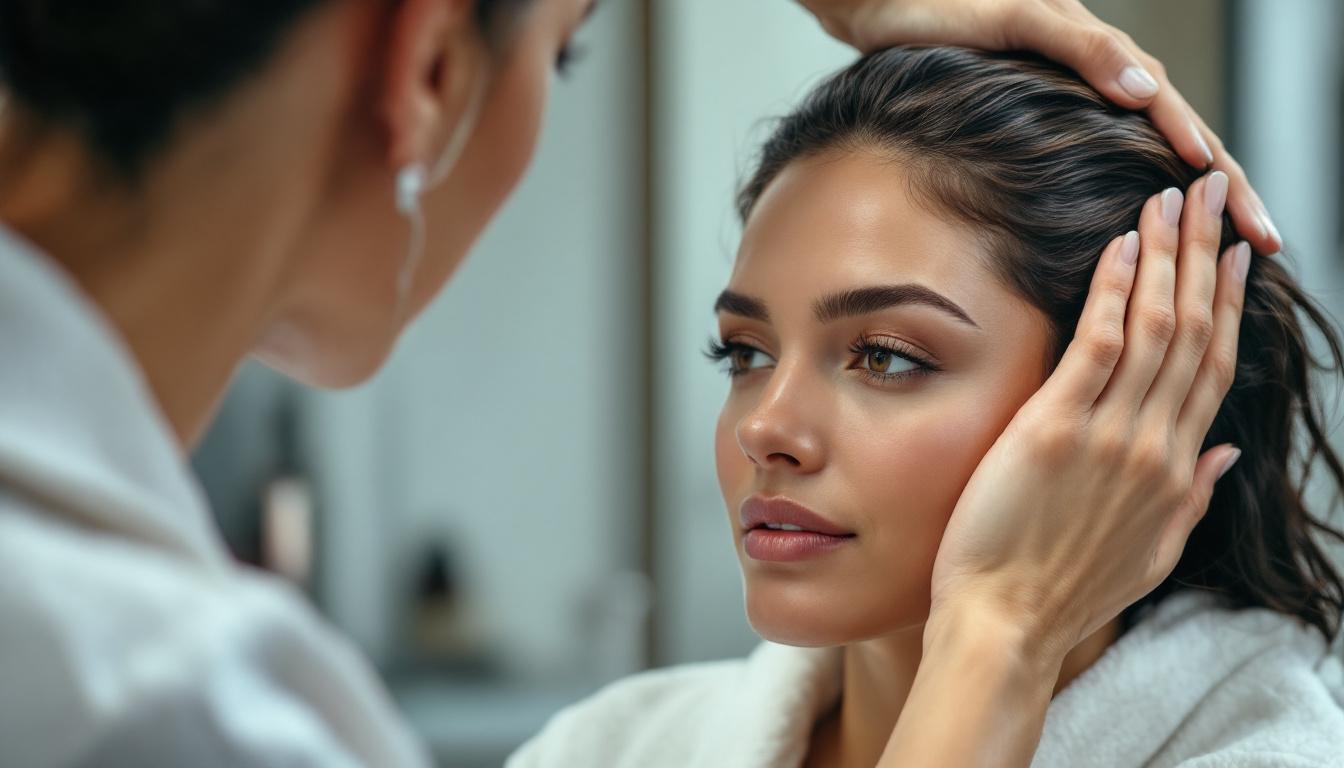
Forget glossy finishes and instant volume; real haircare ambition in 2026 is measured in decades not days. The longevity haircare routine is not a buzzword. It is a philosophical shift that asks brands, labs and consumers to prioritize scalp health at the cellular level, starting with scalp barrier repair and extending to follicle resilience. If you love hair, you will love what this change actually means: fewer miracle products, more rigorous biology.
Why the scalp matters more than shine
For too long the industry rewarded surface miracles. A serum that imparts shine. A mask that plumps for 48 hours. All good and satisfying. But they are cosmetics, not commitments. Hair quality, the kind that reads as vitality in photos and density in real life, starts under the skin. The scalp is skin. It has a barrier. It has a microbiome. It has follicles that age, fatten or wither. Treat those systems and hair follows. Ignore them and no amount of styling oil will rescue thin, fragile strands.
The Brief Edit
Beauty reformulations, trend shifts and buying guidance. Twice a week, free.
Recent beauty reporting has already reframed ageing in skin around the golden thread of cellular wellness, and hair is simply catching up. Attracta Courtney, who helms the UK’s Slow Beauty awards, has been articulating longevity as a new language for beauty. And laboratories, including teams quoted in industry analyses, are pointing their assays at cellular endpoints, not just shine. This is the moment scalp science stops being a niche and becomes the baseline for every credible regime.
Barrier-first routines: the new baseline
Barrier repair is not a trendy add-on. It is the foundation of any longevity haircare routine. A compromised scalp barrier means increased transepidermal water loss, inflammation and sensitivity. In plain terms: a leaky scalp ages faster, sheds more and resists treatment. Repair means restoring lipids, balancing pH and calming the immune signals that tell follicles to slow production.
Practically, barrier-first routines begin with rethink of cleansing. Ditch harsh sulfates that strip lipids and disrupt the microbiome. Use cream-to-foam cleansers or syndets that remove buildup without creating a deficit. Follow with lightweight barrier serums for the scalp containing ceramides, fatty acids and humectants to hold water where it belongs. Look for formulations that state they’re non-comedogenic and microbiome-friendly. This is not froufrou. It is basic maintenance with outsized long-term payoff.
Healthy hair begins at the scalp barrier: repair that and the rest follows.
Actives that actually talk to the follicle
The second pillar of longevity haircare routine is cellular targeting. Scalp peptides have exploded in formulation labs because they can be designed to influence follicular signaling. Not all peptides are created equal. Some support keratin synthesis, others modulate inflammation and still others mimic growth factors. The intelligent brands of 2026 will be the ones that stop offering generic peptide cocktails and start publishing mechanisms and end points, such as improved follicle cycling or mitochondrial support.
Beyond peptides, expect an influx of actives borrowed from longevity skincare: mitochondrial boosters, NAD precursors, antioxidant enzymes and small molecules that improve cellular energetics. These ingredients are not about instant sheen. They are about hair follicle longevity: prolonging anagen phases, reducing miniaturization and keeping follicles nourished even as the body ages. That’s biohacking haircare in its most considerate form-rigorous, measured and aimed at function rather than momentary appearance.
How to build your longevity haircare routine
Start with the scalp assessment. If your scalp is tight, flakey or reactive, treat the barrier first. A gentle cleanse, a pH-balanced toner-like spray and a leave-on barrier serum with ceramides and plant-derived fatty acids are the basics. If your scalp is oily but thin, choose lightweight formulations and consider prebiotic ingredients to support a balanced microbiome.
Introduce targeted treatments slowly. A transit from barrier repair to cellular actives might look like this: three months stabilizing the barrier, then adding a peptide-rich scalp serum two to three times a week while monitoring tolerance. Layer in antioxidants in the AM to protect against pollution and UV, and reserve mitochondrial or peptide treatments for PM when repair pathways are most active. Devices have a place too; regular massages and low-level light therapy can improve circulation and help topicals penetrate. That is legitimate biohacking haircare when done with restraint and data.
Nutrition and medical oversight complete the picture. Follicles respond to systemic signals. Collagen is not a miracle, but amino acid sufficiency and micronutrients like iron, zinc and vitamin D matter. If you’re considering injectables or in-clinic procedures, bring test results to the conversation. The brands that will lead in 2026 will not only sell products; they will sit at the table with trichologists and dermatologists and publish outcomes.
What success looks like
Success is not always more hair overnight. It is fewer days of flat, brittle hair. It is less flakiness. It is a scalp that can accept color and styling without protesting. It is hair that holds a style because the strand itself is resilient. And for those tracking metrics, it is slowed miniaturization and a longer anagen phase for follicles. These results require patience but they are durable. That is the aesthetic return on time invested.
There will still be room for products that make you feel delicious in the moment. We will always love a good shine serum or a luxurious mask. But the conversation is changing. Consumers who read ingredient lists and care about outcomes are not satisfied with surface tricks. They want a plan. They want a longevity haircare routine that treats the scalp as skin and the follicle as a living organ that can be optimized.
This is not anti-beauty. It is advanced beauty. It asks more of formulations and more of us. It favors transparency over promises, biology over branding and repair over camouflage. If you approach 2026 with this lens, your hair will not only look better today. It will be healthier in five years, and in ten. And for anyone who loves their hair enough to invest long term, that is the most glamorous outcome of all.
Frequently Asked Questions
What is a longevity haircare routine?
A longevity haircare routine concentrates on scalp health and follicle resilience rather than temporary cosmetic effects. It includes barrier-repair actives, anti-inflammatory ingredients, and cellular-targeted peptides to preserve hair density and quality over time.
How do I repair my scalp barrier?
Prioritize gentle cleansing, barrier-building lipids like ceramides and fatty acids, and topical prebiotics or niacinamide to soothe inflammation. Avoid harsh sulfates and over-exfoliation; pair treatments with a pH-balanced conditioner to restore barrier function.
Are scalp peptides and cellular actives effective?
Early clinical data shows certain peptides and mitochondrial-supporting actives can improve follicle metabolism and hair thickness. Look for formulations backed by in vitro or clinical studies and combine them with barrier repair for best results.