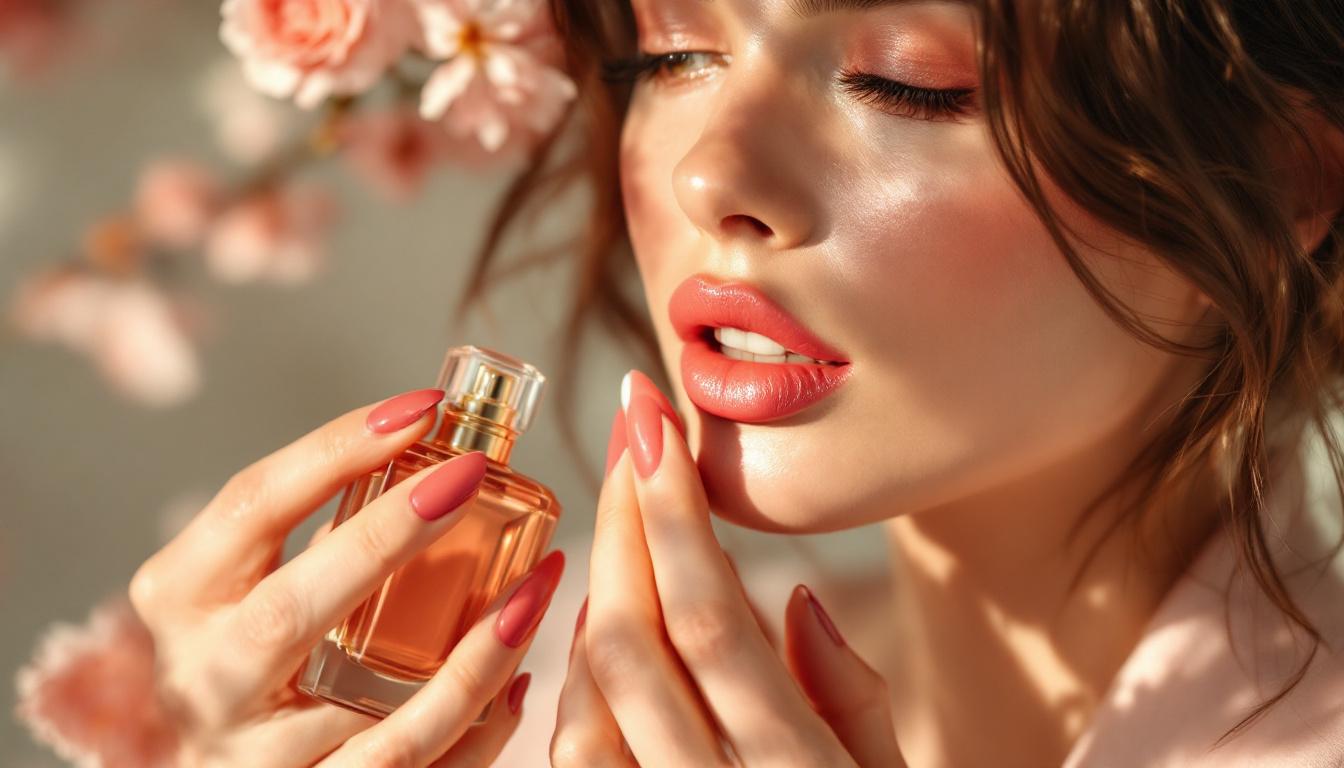
There is a quietly subversive joy in arriving like a memory: the scent that lingers in the air, and the color on your lips that completes the mood. In 2026, lipstick and perfume pairing is not an accessory exercise, it is a style protocol. As perfumers lean into lactonic fruits, solar ambers and concentrated vanillas, the new job of makeup is to answer those scents with intention, not coincidence.
Why scent and color need to behave like a duet
For years fragrance and makeup lived in polite proximity. Now they are collaborating. The industry conversation for 2026 is obsessed with perfume layering, higher concentrations of fragrance oils and lactonic notes that smell like creamy fruit or blurred sunlight. That means your fragrance will occupy more real estate in the room and demand that your lip color either harmonizes or deliberately contrasts. A lipstick can make a vanilla accord feel gourmand and sophisticated, or it can push that same note into cloying territory. Choose badly and the effect feels muddled. Choose well and it becomes unmistakable personal styling.
The Brief Edit
Beauty reformulations, trend shifts and buying guidance. Twice a week, free.
Lactonic strawberries: translate fruit into pigment
Lactonic notes are the subtle tricksters of modern perfumery. They read like fruit that has been softened by cream: strawberries that smell like shortcake, peaches that feel like silk. They are flattering and expansive, which is why so many of this year’s launches use them as the central character. To match perfume lipstick with a lactonic strawberry, favor a shade that captures that blurred, sweet quality rather than an exact color copy.
Think dewy stain in a mid-tone strawberry, not a flat neon red. A sheer to satin finish that allows skin texture to live through the color will mirror the milkiness of the scent. For those who want more punch, a pillowy cream formula in a rose-strawberry shade reads like the same family without being literal. If you wear a deliberately concentrated strawberry perfume, anchor it with a slightly muted berry-lip, or a translucent gloss with rose undertones, so the fragrance stays the protagonist.
Pairing your lipstick to your perfume is the small luxury that makes you feel unmistakably like yourself.
Solar ambers want sunlit bronzes and glossy warmth
Solar ambers are the olfactory shorthand for summer light bottled up: dry warmth, skin-tinged resins, the suggestion of salt and heliotropic florals. When scents go solar, your lips should catch the same light. This is not the year for chalky mattes or severe lining. Instead go for transparent layers and warm sheens.
A soft bronzy nude with a gold-reflecting gloss will amplify an amber accord without competing. If you prefer color, reach for terracotta or coral-amber that sits between orange and brown. A balm stain with a touch of warm beige will blend into skin and feel like sun on the lips rather than paint. For perfume layering lipstick techniques, start with a dewy base balm, add a thin lip stain in a sun-kissed hue, then press a micro-gloss into the center for three-dimensional shine. The result reads like sunlight, not product.
Concentrated vanillas need restraint, not vanilla lips
Vanilla is no longer simply comfort. In 2026 perfumers are using concentrated vanillas to build structure, opacity and longevity. These are serious vanillas that can be boozy, balsamic, smoky or clean. The lip rule here is less is more. A heavy vanilla should be counterbalanced by a restrained, polished lip.
Leather-brown neutrals, toasted almond stains and warm rose-beige satins are excellent partners. If you want to lean into the gourmand aspect, opt for a cream-to-sheen formula in a caramelized nude rather than a literal pale vanilla shade that risks looking flat. For a modern play, match a concentrated vanilla with a translucent stain that emphasizes mouth movement without locking in a full color block. The best match perfume lipstick pairings let the scent do the storytelling and the lip becomes the punctuation.
Practical rules for match perfume lipstick in real life
There are easy, defensible rules that will help you navigate perfume and lipstick decisions without feeling like you need a degree in olfactory chemistry. These are the habits I use every morning.
1. Read the dominant axis of the scent. If it’s lactonic-fruity, favor satins and sheer stains in strawberry, rose or soft berry. If it’s solar-amber, choose warm bronzes and glossy finishes. If it’s concentrated vanilla, go for refined neutrals and soft satins.
2. Match intensity not exact notes. A heavy perfume pairs best with a restrained lip, a light spritz pairs well with a bolder color. That way scent and color feel calibrated, not competitive.
3. Use texture to sync moods. Gloss and dewy balms amplify youth and gourmand notes. Satin and cream convey polish and elegance. Matte is for architecture and attitude; save it for woods, spices and selective contrasts.
4. Layer with intention. When perfume layering lipstick is on the agenda, create a base formula on the lip that can be reworked. For example, a hydrating balm plus a sheer stain can be refreshed throughout the day and will adapt to the scent as it evolves on your skin.
5. Test in motion. Fragrance changes with your body and the day. Try a walk-and-apply method: spritz, apply lipstick, then live for twenty minutes before deciding. You’ll see how the top notes interact with your makeup and whether you need to deepen or soften your choice.
6. Keep signature pairings ready. There will be days you want to be reliably yourself. Have a go-to pairing for each scent family: one lactonic, one solar, one vanilla. It makes getting dressed quicker and more pleasurable.
These are not rules to stifle creativity. They are frameworks to let you play smarter. If perfume layering lipstick sounds precious, try it on and notice how the room reacts. Scent and color together do something personal and specific: they declare an intention.
2026 lipstick trends favor nuance over extremes. Textures that allow the skin to show through, colors that suggest rather than announce, and finishes that move with you will best interpret modern fragrances. If you want to match perfume lipstick with confidence, think less costume and more conversation. Let the scent open the sentence, and let your lip color be the voice that finishes it.
Frequently Asked Questions
How do I match lipstick to my perfume?
Identify your perfume's dominant accord—fruity, floral, gourmand, solar or lactonic—and match color family and intensity. Concentrated scents suit richer lip formulas; skin-lean perfumes pair best with sheer tints. Use seasonal cues and test combinations in daylight to ensure scent and color complement rather than compete.
Which lip shades work best with lactonic or strawberry fragrances?
Lactonic and strawberry notes pair beautifully with creamy, slightly milky finishes: think peachy cream, warm coral, and glossy strawberry stains. Choose satin or gloss to echo the milkiness and freshness. Steer clear of ultra-matte bright berries that can feel too sharp against soft lactonic accords.
Will a bold perfume clash with a bright lip color?
They can if both are high-impact. Balance intensity by wearing a statement scent with a neutral or polished nude lip, or pair a bold lip with a skin-lean fragrance. Another strategy: match the mood or color temperature of the scent rather than trying to mirror exact notes.