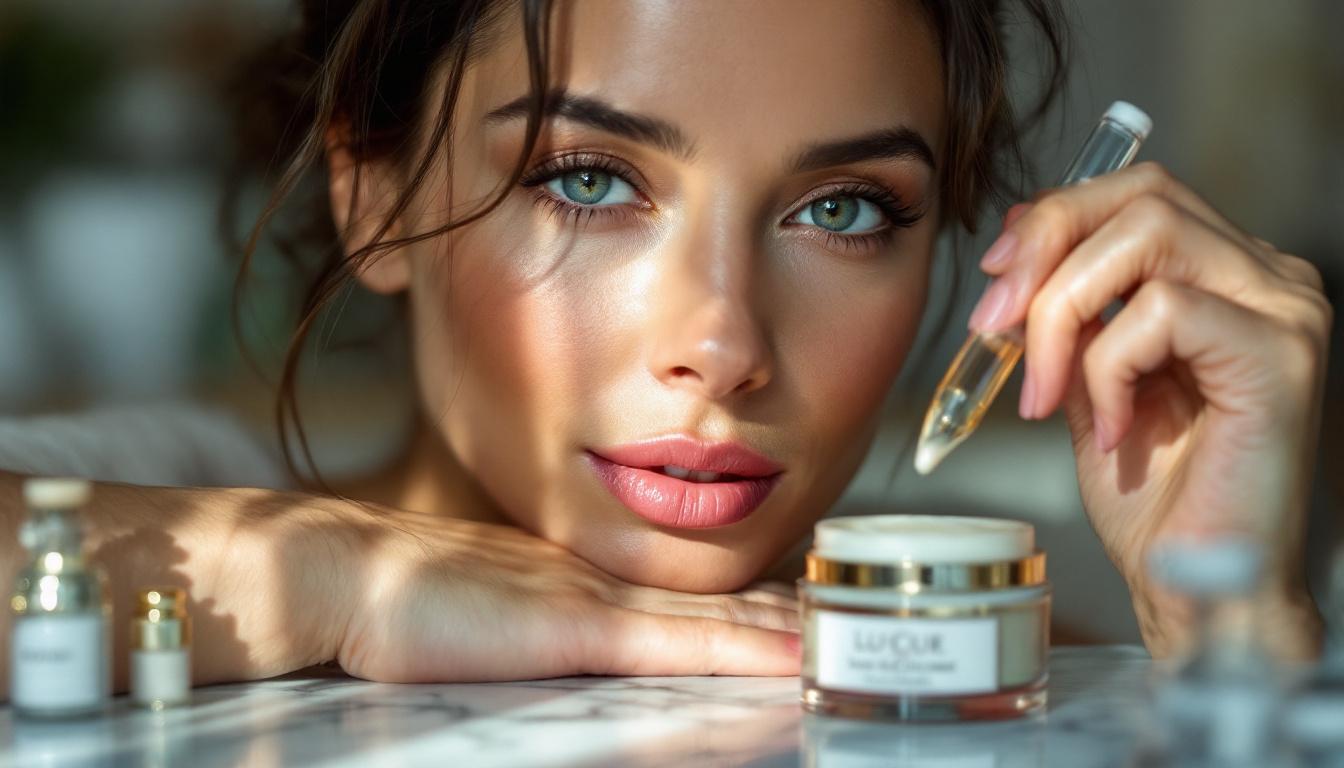
Why this matters
Readers who invest in high-end skincare want results not rhetoric. With La Prairie and other luxury houses launching biomimetic peptide formulas, 2026 is a turning point where ingredient science dictates value. Understanding peptide types, delivery and evidence helps shoppers make smarter purchases and demands better claims from brands.
The new currency in luxury skincare is not texture or scent, it is precision.
Peptide skincare 2026 is the quiet revolution behind every couture-leaning launch this season, the invisible architecture under dewy finishes and satin creams. For years the luxury aisle lived on botanicals, sparkling marketing and evocative storytelling. Today those stories are still charming, but brands that want top-shelf credibility are placing biomimetic peptides and clinically minded delivery systems at the center of their formulas, not as garnish.
The Brief Edit
Beauty reformulations, trend shifts and buying guidance. Twice a week, free.
From botanicals to biochemistry
There is a simple truth I have learned covering beauty: luxury used to sell on ritual. You applied a pot because it felt indulgent, smelled like rose and promised an experience. That has not gone away. But sensorial pleasure no longer excuses weak biology. The new high-end plays are about targeted mechanisms, measurable endpoints and repeatable results. That is why you are seeing a spate of luxury skincare launches leaning into biomimetic peptides and clean clinical language instead of vague plant lists.
La Prairie peptides have become shorthand for this pivot. When a house with legacy in sensory luxury and price-per-ounce that makes editors wince starts emphasizing a proprietary cellular complex of advanced biomimetic peptides, you know the conversation has changed. The marketing is still polished, but beneath it there is real formulation engineering: stabilized peptide sequences, peptide pro-forms that convert on the skin, and encapsulation technologies that protect fragile chains until they reach their target.
Reading the labels: what the peptides actually do
Not all peptides are created equal. Calling a product peptide-rich is like saying a car is engine-powered. It tells you something, not enough. In practice you will see signal peptides that nudge fibroblasts to synthesize collagen, carrier peptides that shuttle copper for enzymatic repair, neurotransmitter-inhibiting peptides that soften expression lines, and biomimetic peptides that mimic natural growth factors without the risks or cost of full proteins.
Anti-aging peptides deserve scrutiny in four areas: sequence specificity, concentration, stability and delivery. A beautifully written ingredient deck with palmitoyl this and acetyl that sounds advanced until you realize the peptides are present at trace levels or are unstable in the formula. The brands that matter now publish more about peptide concentration ranges, stabilization strategies such as N-terminal blocking, and the clinical models they used to test efficacy. That transparency separates meaningful innovation from advertising gloss.
Delivery systems matter more than perfume
Peptides are fragile. On their own they degrade, get chewed up by skin enzymes, or simply do not penetrate to the dermal layer where most anti-aging work has to happen. Enter modern delivery science: liposomes, nanocarriers, protease-resistant sequences, pH-activated pro-peptides and microencapsulation. These are not sexy words on a press release. They are the reason a peptide can go from a cute lab claim to a clinically relevant result.
Luxury brands are investing in these systems as fiercely as they once invested in fragrance development. That is a cultural shift. The result is precision skincare that behaves like a small-molecule drug: it has a target, a delivery route and measurable outcomes. This explains why some of the most lauded luxury skincare launches this winter were less about texture and more about how their peptides are delivered and validated.
Luxury skincare in 2026 will be judged by delivery, not storytelling.
How to separate real science from savvy marketing
Become a skeptical translator of copy. When a brand writes proprietary complex, ask for the mechanism. When you see clinical claims, look for study details: sample size, endpoints, duration and whether results were instrument-based or purely photographic. If a formula touts biomimetic peptides but lists them at the bottom of a long ingredient list, demand better. Concentration matters. Order of ingredients gives clues about bioavailability.
Also consider the whole product system. A peptide serum applied on top of an aggressive exfoliant will behave very differently than the same serum layered over a ceramide-rich cream that supports barrier integrity. Precision skincare is as much about context as it is about the actives. Good brands offer usage protocols that reflect that nuance, and they no longer hide behind mystical ritual as a substitute for direction.
Price is not proof. Some of the most effective anti-aging peptides are inexpensive to synthesize. What you pay the premium for in luxury skincare launches is formulation expertise, proprietary stabilization and often robust clinical validation. Those things cost money. They are also what justify a steep price tag when they are actually present and proven.
Where this arms race takes consumers
If you love luxury beauty and read ingredient lists, this moment is deeply satisfying. The industry is finally catching up to what you have always known: texture without mechanism is fashion, not science. Expect more brands to partner with contract research organizations, to publish independent studies and to be more forthright about peptide types and delivery platforms.
Your role is simple. Vote with your wallet for brands that name their peptides, explain their delivery systems and show meaningful data. Keep the rituals you love. Keep the scents and the silk. But insist that luxury deliver on the thing that matters most: results you can believe in, backed by real formulation intelligence.
Precision won the aisle. Now insist it wins on your skin.
Key Takeaways
- Luxury brands are shifting from botanicals to precision peptide complexes with clinical delivery systems.
- Not all peptides are equal; treat sequence, concentration, stability and delivery as key evaluation criteria.
- Look for transparency: named peptides, delivery technology details and robust clinical data before buying.
Frequently Asked Questions
What are biomimetic peptides and why are they trending?
Biomimetic peptides mimic the skin's natural signaling molecules to stimulate collagen, improve barrier function and regulate cell communication. They're trending because brands now pair them with advanced delivery systems and clinical data, turning high-end formulations into measurable, performance-driven products rather than mere luxury statements.
Are peptide skincare products worth the luxury price?
Sometimes. Luxury peptide formulas often combine proprietary sequences, stable delivery vehicles and clinical testing that justify higher costs for serious antiaging shoppers. That said, many mid-range serums offer effective peptide blends. Read ingredient lists, concentrations and evidence rather than buying prestige alone.
How should I incorporate peptides into my routine?
Apply peptide serums after cleansing and before heavier oils or creams; use them under SPF in the morning and with hydrators at night. If you use retinoids or acids, introduce peptides gradually to avoid irritation. For targeted concerns consult a dermatologist for concentration and layering advice.
Blush Brief editorial is independent. We may include affiliate links; these are always disclosed and do not influence our recommendations.