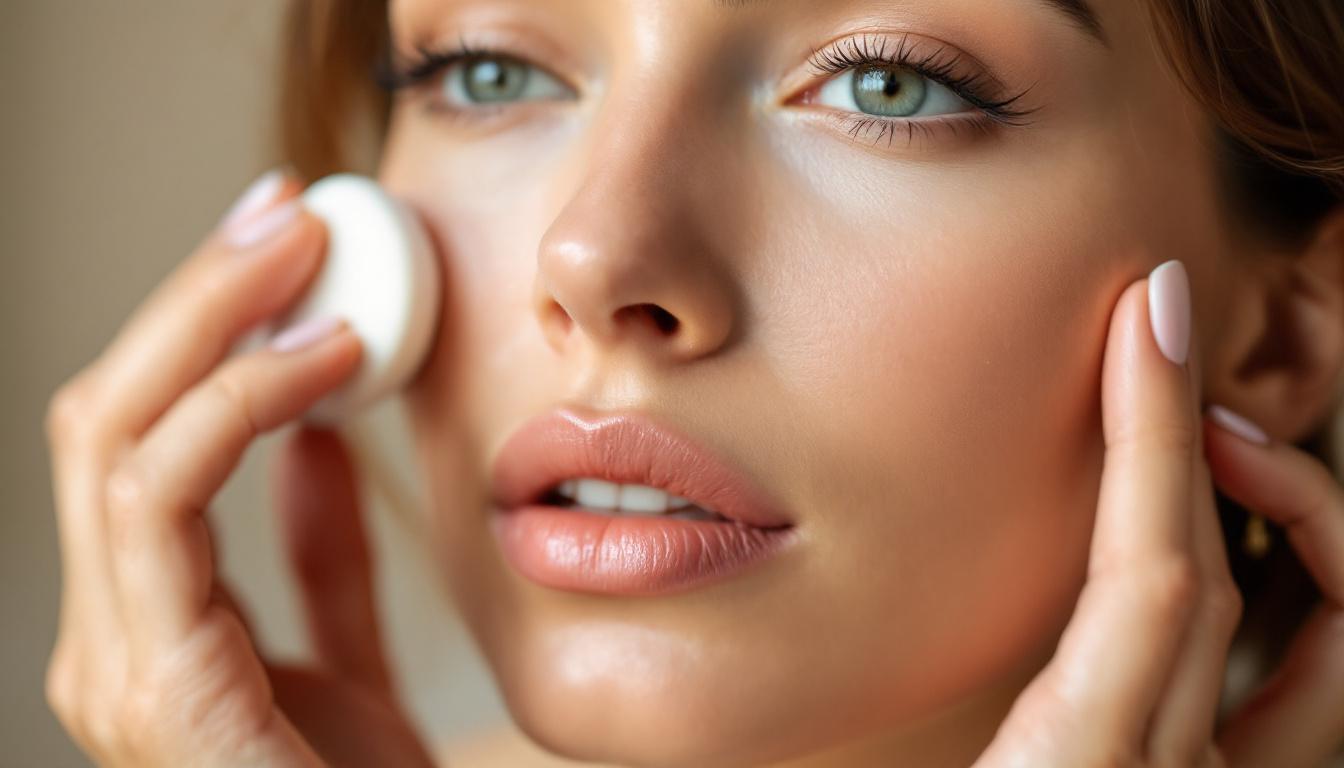
Makeup used to be a simple promise: conceal, even, leave. In 2026 that promise has evolved into a vow to nourish, to repair, to protect-and the category wants you to believe the best skincare foundations will replace your night cream. That phrasing is deliciously marketable, but also dangerously vague. If you want a foundation that meaningfully improves your skin rather than simply accreting glossy buzzwords to its label, you need to read the ingredient list like an editor, not a shopper.
What "acting like skincare" really means
Call them hybrids, serum foundations or hyaluronic foundation formulas: the industry has weaponised hydration and vitamins into launchlines. A credible hydrating foundation will do three things at once-blur, moisturise, and protect-without sitting in lines or leaving a powdery mask. The difference between a genuine serum foundation and marketing smoke is concentration and delivery. A trace of hyaluronic acid sprinkled in a formula that’s mostly silicones and pigments is cosmetic theatre; a hyaluronic foundation with well-considered humectants and occlusives will actually improve plumpness and texture over repeated wear.
The Brief Edit
Beauty reformulations, trend shifts and buying guidance. Twice a week, free.
Think of these formulas as lightweight skin treatments with the responsibility to sit on top of skin all day. That is simultaneously their gift and their challenge: trapped on the surface, actives can either work or they can oxidise, evaporate or simply migrate into the wrong place-your lashline, your collarbone, your handbag. Which is why ingredients and formulation science matter more than glossy copy.
Ingredients that deserve your attention (and the ones that are theatre)
Start with humectants and barrier builders. Hyaluronic acid is not a single ingredient; it is a category. Low-molecular-weight hyaluronic penetrates a little deeper and offers immediate plumping; high-molecular-weight sits on the surface and smooths. A thoughtful hyaluronic foundation will blend both. Niacinamide is quietly brilliant for tone and enlarged pores; peptides support firmness if present at functionally meaningful concentrations. Ceramides and squalane repair the lipid barrier, essential if you’re layering serums or using retinoids.
Vitamin C is useful, but its efficacy in a foundation depends on form and packaging. L‑ascorbic acid is potent and unstable; more stable derivatives (tetrahexyldecyl ascorbate, magnesium ascorbyl phosphate) are friendlier in colour cosmetics, provided the formula preserves them. Retinol in foundation is mostly gimmick-too little to be effective and too risky under daytime sun exposure.
Now the spice: foundations with SPF. They are convenient, and I sympathise with anyone who wants a morning hack, but there are caveats. Mineral sunscreens (zinc oxide, titanium dioxide) are photostable and tolerant of the kind of environment a foundation offers. Chemical filters can be effective but need careful formulation to remain stable and to avoid interaction with other actives. Most importantly: reapplication. A foundation with SPF is not an excuse to skip sunscreen reapplication every two hours if you are outside. It is an extra layer, not the whole umbrella.
A foundation that behaves like skincare is useful only if it delivers actives in efficacious doses-otherwise it’s just pretty hype.
How to layer without undoing the benefits
There are rules, and then there is common sense. Serums with active concentrations should be given time to absorb before you apply a foundation; this helps with both performance and the stability of delicate ingredients. If you wear a vitamin C serum, give it five minutes. If you use a prescription retinoid at night and a gentler daytime antioxidant, adapt based on tolerance. Hyaluronic foundation formulas are generally forgiving-apply damp for a fresher finish, buff with a sponge for thin, buildable coverage.
If you want the protection of foundations with SPF, still use a separate, broad-spectrum sunscreen as your primary layer. Apply your SPF first, let it set, then apply your foundation. For midday reapplication, carry either a powder SPF designed for touch-ups or a vial of sunscreen to pat over a blotting paper; re-layering full-coverage liquid over a midday face is rarely flattering.
For a foundation for mature skin, texture is the axis around which all decisions rotate. Thin, moisturising formulations with light-reflecting pigments and solid humectant systems are kinder than dense mattes. Avoid foundations that rely exclusively on heavy powder fillers or high-octane alcohols that strip moisture. A little silicone can be forgiving, but excessive silicones will settle and emphasise creases as the day progresses.
How to choose-the sensible shortlist
Start with honesty: assess your skin goals. Are you hydrating, concealing redness, or preventing photodamage? If hydration is the brief, prioritise water-binding ingredients and a non-greasy occlusive. If you want anti‑ageing benefit, look for peptides and niacinamide rather than tokenised retinol. If you require sun protection, choose mineral filters in your foundation or use a dedicated SPF beneath it.
Read labels like a sceptic. Ingredients appear in order of concentration; if the first five entries are water, dimethicone, alcohol, fragrance and pigment, don’t be surprised if the vitamin on the back is a milligram afterthought. Check packaging: airless pumps and opaque bottles protect fragile antioxidants from light and oxygen. Ask how a brand tests stability-photostability testing is not glamorous but it tells you whether that vitamin C will survive an afternoon in your tote.
Shade ranges deserve a small manifesto. No matter how clever the skincare inside, if the shade is wrong the effect is faux. Brands that pair ingredient innovation with genuine shade inclusivity are the ones most likely to treat skin holistically rather than opportunistically.
Finally, temper your expectations. The best skincare foundations will improve skin appearance over time-less flakiness, a softer surface, improved radiance-not perform miracles overnight. Think of them as daily treatments you enjoy wearing; the vanity of beauty should not blind you to basic pharmacology.
In 2026, the smartest beauty houses stopped pretending that the label alone made a product therapeutic. If you want a foundation that earns the claim of behaving like skincare, demand transparency: meaningful concentrations, sensible filters, and formulas that show thought for the skin beneath. Wear it because it looks beautiful; keep it because it actually cares.
Frequently Asked Questions
What is a skincare foundation and how does it differ from regular foundation?
A skincare foundation combines cosmetic coverage with active skincare ingredients-think hyaluronic acid, vitamins or gentle antioxidants. Unlike traditional foundations that prioritise pigment and finish, these hybrids aim to add hydration, barrier support or SPF so you get complexion improvement over time, not just immediate coverage.
Can a skincare foundation replace my serum or sunscreen?
No. While many foundations include beneficial actives or SPF, they rarely provide therapeutic doses or full UV protection. Use a dedicated sunscreen and targeted serums as your base; consider a skincare foundation a performance-enhancing top layer that complements-but does not replace-real skincare.
How do I choose a skincare foundation for mature or dry skin?
Seek lightweight, hydrating formulas with hyaluronic acid, glycerin and flexible binders that don’t settle into lines. Avoid heavy powders and matte extremes; test in natural light for creasing. If you need SPF, layer a broad‑spectrum sunscreen underneath rather than relying on the foundation’s SPF alone.