Why this matters
With skin longevity replacing traditional anti ageing, consumers want real time tools to protect their barrier and measure results. Jewellery is already intimate to daily routines, so smart pieces that track hydration UV and barrier signals will change product choices and routines. This matters to readers who invest in luxury skincare and expect proof not promises.
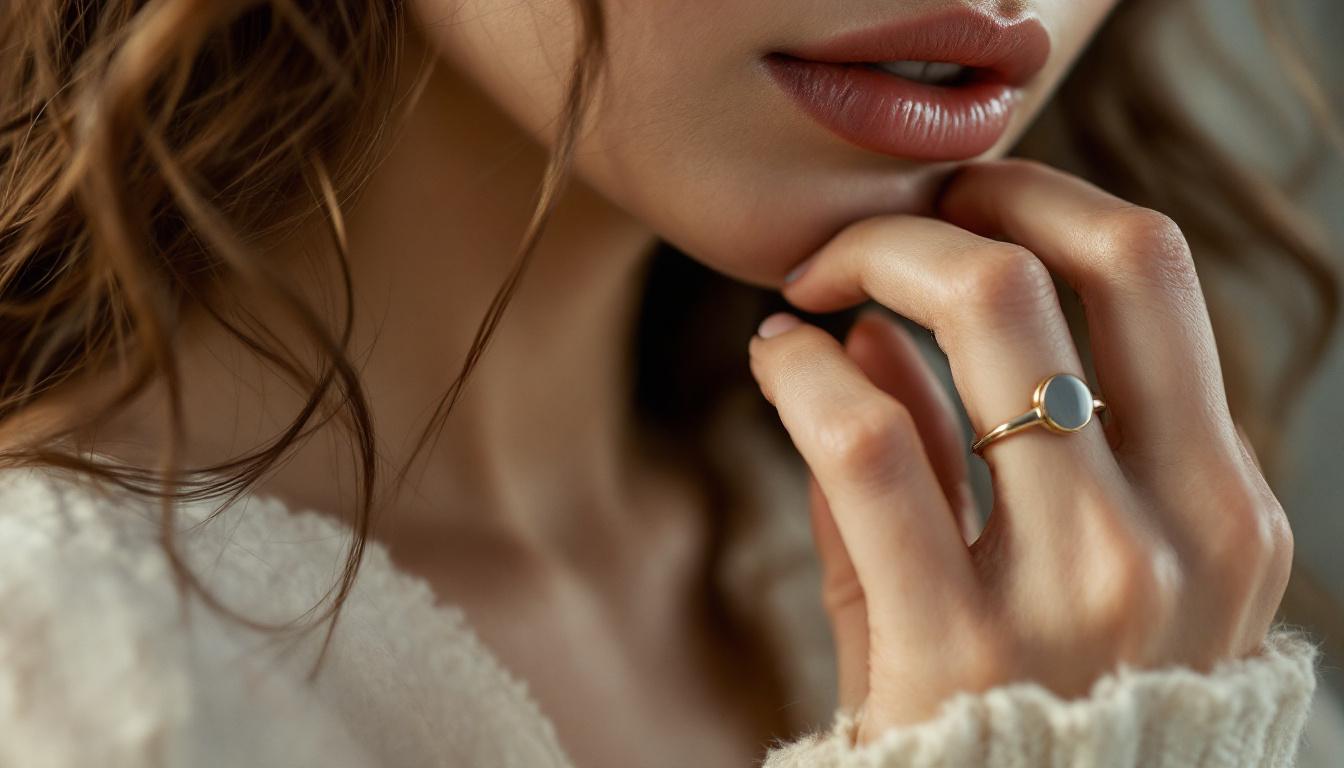
Jewellery has quietly reinvented itself as a tool for skin health, and the result feels nothing like a gimmick. Smart skincare jewellery is arriving at the intersection of slow beauty and biohacking, promising not just adornment but actionable insight for barrier health and long-term skin wellness.
From ornament to instrument
The old rules for jewellery were simple: beauty, status, sentiment. Now designers, dermatologists and engineers are collaborating to add measurement, feedback and material science to the brief. What began as novelty rings that counted steps has matured into wearable skin sensors built into pendants, bracelets and studs that monitor hydration, temperature, pH and even transepidermal water loss. This is not wellness theater. It is a practical pivot toward sustaining the skin barrier, because longevity skincare is increasingly about prevention and resilience rather than quick fixes.
The Brief Edit
Beauty reformulations, trend shifts and buying guidance. Twice a week, free.
Expect two kinds of launches. One focuses on electronics and software: discreet sensors linked to apps that translate skin metrics into daily nudges, product suggestions and long-term trendlines. The other is about metallurgy and surface science: hypoallergenic alloys and antimicrobial finishes engineered to sit on fragile skin without provoking irritation. Together they form a new category that sits squarely in the skin longevity trend.
What wearable skin sensors really measure
If you have ever compared skin hydration strips to lab instruments, you know the difference between a metric and a myth. The best wearable skin sensors mimic clinical methods closely enough to be useful. Hydration pads estimate water content by electrical impedance. TEWL sensors detect vapor flux to flag barrier compromise. Temperature and pH sensors add context, helping separate a transient flush from a genuine disruption. The value is not a single data point. It is the pattern: gradual declines in morning hydration, spikes in TEWL after switching a product, or repeated low-nighttime temperature that correlates with poor recovery.
That said, the science is early. A number of brands have published pilot studies and validation comparisons against bench-top instruments showing reasonable correlation, but standards are still evolving. Look for teams that publish methodology, sample size and independent review. Real clinical validation means peer-reviewed data, reproducible protocols and transparency about false positives. Until then, treat most wearables as advanced signals rather than definitive diagnoses. They point you to a problem: they do not replace a dermatologist.
Jewellery is graduating from accessory to active: it can now measure, protect and nudge skin health every single day.
Metals that mind your skin
Designers once hid metal limitations behind glitter. Today they celebrate better metallurgy. The most reliable pieces for sensitive skin use titanium, surgical-grade stainless steel, niobium and high-karat gold alloys formulated to be low in nickel. These are not fashion talking points. They are essential for anyone with eczema, rosacea or a history of metal allergy who wants continuous contact with a device.
Antimicrobial jewellery is also gaining traction. Silver and copper have long been known for microbicidal properties, and modern surface treatments like physical vapor deposition and engineered oxide layers can add antimicrobial performance without compromising skin safety. Brands that claim germ-killing benefits should provide lab reports showing log reductions against common skin microbes, and they should clarify whether efficacy persists after wear and cleaning. If your barrier is already compromised, reducing bacterial load at the skin surface can be meaningful, but antimicrobial finishes are an adjunct to, not a substitute for, repairing the barrier with ceramides, lipids and humectants.
How these pieces change everyday barrier care
The real convenience of biohacking jewellery is behavioral. A necklace that buzzes when TEWL rises forces a pause. An app that shows a downward trend in hydration nudges you to swap a drying cleanser for a richer milk. Continuous data encourages a different relationship with products: long-term adjustments rather than obsessive switching. That aligns with the new language of slow beauty and longevity skincare, which prizes durability and cellular wellness over instant gratification.
Beyond personal habit change, there is potential for clinical impact. Dermatologists can use longitudinal data to understand triggers that do not show up in a single office visit. Researchers can recruit participants who already have wearable baselines and detect treatment effects more quickly. That potential depends on interoperability and standards. When companies lock data behind proprietary formats it stunts scientific progress. When they open it responsibly, the whole industry benefits.
There are caveats. Battery life, water resistance, and skin adhesion all matter. Poorly designed wearables irritate through friction or trapped moisture. Cheap plating peels and exposes reactive base metals. Data privacy is another non-negotiable. Skin metrics may feel intimate. Consumers deserve clear consent, anonymized research pathways and easy ways to opt out.
Buying smart, wearing smarter
For the discerning buyer who reads ingredient lists and checks clinical claims, here are the sensible filters: look for brands that share validation studies and are explicit about what a sensor measures and what it cannot; demand hypoallergenic specifications and lab proof for antimicrobial claims; prioritize designs that integrate with your lifestyle rather than complicate it; and choose vendors who commit to data portability and independent audits.
Smart skincare jewellery is not a panacea. It is, however, one of the most exciting practical expressions of the longevity movement. Where topical actives rebuild and feed, wearable tools monitor and remind. Together they close the loop between feeling and treating, between habit and outcome. For anyone serious about long-term skin wellness, that shift from episodic intervention to continuous care matters more than a decade of new serums.
Beauty has always been about ritual and meaning. The new chapter adds evidence and measurement. When your favourite pendant can flag a leaky barrier before you see redness, your beauty ritual becomes both indulgent and preventative. That is a future I am eager to wear.
Key Takeaways
- Smart skincare jewellery pairs sensors and skin-safe metals to support barrier health and long-term wellness
- Wearable skin sensors provide useful trend data but require clinical validation and transparent methodology
- Choose jewellery for sensitive skin with hypoallergenic alloys and verified antimicrobial finishes, and insist on data portability
Frequently Asked Questions
What is smart skincare jewellery and how does it work?
Smart skincare jewellery are rings pendants or bracelets with mini sensors that monitor skin metrics such as hydration temperature UV exposure or transepidermal water loss. Data syncs to an app so you can tailor serums SPF and routines to real time skin needs. They augment not replace dermatological advice.
Is smart jewellery safe for sensitive or barrier‑compromised skin?
Choose pieces made from medical grade metals such as titanium or 14k gold and look for hypoallergenic coatings. Avoid nickel alloys and test new pieces on a small area. Sensors are low power and sealed but check IP ratings and manufacturer safety data for long term wear.
How should I choose the right piece for my longevity skincare routine?
Prioritize which metric you want to track hydration UV or TEWL then evaluate sensor accuracy battery life app ecosystem and material. Opt for understated designs you will actually wear daily and brands that publish validation studies or clinical data for reliability.
Blush Brief editorial is independent. We may include affiliate links; these are always disclosed and do not influence our recommendations.