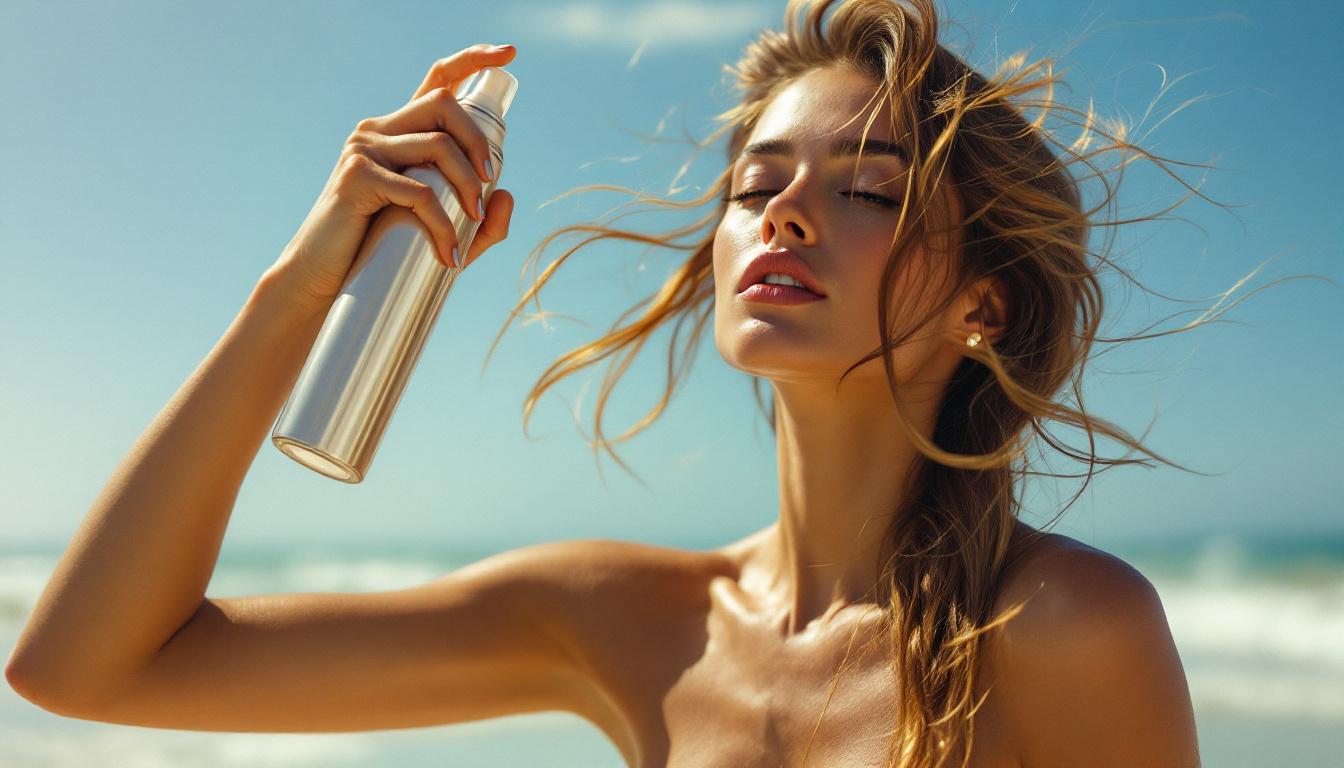
Sun will do to hair what it does to skin: quietly and insistently degrade the thing you spent a small fortune on-color, gloss and the tensile pleasure of a fresh blowout. Enter the new category no one asked for until they realized their salon-dyed lob fades faster than a trend cycle: sunscreen for hair. This spring’s launches-sunscreen-infused serums, glossy sun oils and, finally, the first dedicated scalp SPF formulas-have elevated hair protection from niche vanity to necessary maintenance.
Why hair needs protection (and why SPF isn’t optional)
Think of hair as two separate responsibilities: the fiber and the scalp. The fiber, whether fine, color-treated or coarse, is a polymer of keratin fortified with oils and lipids. UV radiation strips surface lipids, breaks disulfide bonds and dulls the pigments you paid to deposit. The scalp, skin at its thinnest, burns, thins and accumulates photodamage more readily than most of our faces. Hair SPF and UV hair protection exist because sunscreen chemistry can slow that degradation-if the formulation is legitimate.
The Brief Edit
Beauty reformulations, trend shifts and buying guidance. Twice a week, free.
Not all protection is created equal. A fragrant summer oil gives sheen; it does not confer meaningful UV filtration unless it carries certified UV filters or a tested SPF claim. Likewise, antioxidant-rich serums help scavenge free radicals induced by UVA and UVB exposure, but they are adjuncts, not substitutes, for an actual UV-blocking ingredient. If your routine’s only defense is a wide-brim hat, congratulations-it's one of the best measures-but for diners in direct sun, a targeted hair sun protection spray or leave-in with filters is now a practical, sensible layer.
What works: filters, film-formers and antioxidants (and what is hype)
Effective hair sunscreens rely on a few proven mechanisms. First, UV filters-either mineral (zinc oxide, titanium dioxide) or organic UV absorbers-are the only components that can be claimed as sunscreen actives. In hair products they often sit in sprays, serums or leave-in conditioners, sometimes combined with film-forming polymers to create a physical barrier that reduces photodegradation. Second, antioxidants (vitamin E, ferulic acid, ascorbyl palmitate) mitigate oxidative damage and extend the life of color and shine. Third, conditioning agents and protein fragments help restore surface integrity so color reflects light better and hair resists drying.
Now for the marketing sins: red raspberry seed oil, carrot seed oil and other botanicals get trotted out as natural SPFs. They have some UV-absorbing compounds in vitro, but their SPF is variable and unverified; they’re cosmetic enhancers, not certified protection. "Sun oil" formatted as tanning or bronzing oil is frequently perfume with a sheen-promoting carrier-gorgeous, yes; protective, often not. If a product promises "natural defense" without an SPF number, declared active filters or lab-backed UV testing, treat it as a gloss, not armor.
Texture cheat-sheet: what to use for color-treated, fine or dry hair
Texture matters because the wrong vehicle undermines both style and protection. For color-treated hair, reach for lightweight leave-in conditioners or serums that advertise UV filters plus humectants and protein derivatives. These formulations settle on the cuticle, preserve color molecules and add enough slip to minimize friction-related fading. Avoid heavy botanical oils that can weigh down freshly conditioned hair and mask color vibrancy.
If you have fine hair, the sting of a greasy sheen is real. Opt for alcohol-based hair sun protection spray or a featherweight mist with polymers and filters-think clear, non-residual, reapply-friendly. Many of the best hair sunscreens for fine hair are sprays engineered to distribute evenly without flattening your root lift.
Dry or coarse textures tolerate-and often benefit from-oils and richer serums because they need occlusion to retain moisture. But be clear-eyed: an oil can moisturize and add shine and still be useless against UV unless formulators have embedded filters. If you prefer an oil, choose one that lists UV active ingredients or use it layered over a leave-in SPF treatment. For textured or chemically treated hair, prioritize hydration and protein repair along with confirmed UV protection.
An oil that smells like summer is not a sunscreen; it is a perfume with delusions of longevity.
Scalp SPF: the overlooked frontline and how to apply it
Heads up: scalp sunscreen is the fastest-growing category for a reason. Thin skin at the part and hairline burns easily and sunburned scalps are not just uncomfortable-they’re a long-term risk. Scalp sunscreen formulations are usually mists, foams or sticks that claim SPF values and are designed to reach the skin between strands. They are not decorative; they are medical-grade habit-builders.
Application is straightforward and slightly tactical. For broad coverage, part hair in narrow sections and apply a scalp sunscreen mist or foam directly to the exposed skin; use a comb or fingers to distribute. In windy conditions, a stick or balm may provide more targeted placement. Reapply every two hours when you’re actively sunning, and immediately after sweating or swimming. If you’re using a hair sun protection spray on the lengths, treat scalp sunscreen as a separate step: products designed for hair fibers rarely claim an SPF for skin, and you don’t want to rely on a serumbiotic gloss to protect your scalp.
Finally, hats remain the chicest, simplest and most reliable accessory. Consider scalp SPF a fastidious backup for days when a hat isn’t an option-like a dinner on a terrace or a day at a noisy beach where your aesthetic choices lean toward more hair than headcover.
How to build a sun-ready hair routine
Start with prevention: schedule color appointments with protective glossing treatments and ask your colorist to recommend post-service leave-ins with UV filters. On beach or pool days, pre-apply a leave-in with documented UV filters to mid-lengths and ends, spray a lightweight hair sun protection spray for fine hair at roots to avoid flats, and carry a scalp sunscreen for exposed parts. After sun, use a restorative mask rich in protein, ceramides and antioxidants to address any oxidative stress and brittle ends.
Shopping tip: read labels. Look for declared SPF for scalp sunscreen products and for listed UV filters or third-party testing claims in hair formulas. Be skeptical of vague "natural SPF" claims and seductive marketing photography. The best hair sunscreens marry measured protection with a vehicle suited to your texture; they are pragmatic, not performative.
We live in a beauty culture that loves ritual and novelty; that’s how you get 22-step routines and lacquered sun oils. Adopt what works-transparent claims, measured actives and sensible reapplication-and discard the rest with a courteous sniff. Your hair, like your skin, will thank you by refusing to look tired before its time.
Frequently Asked Questions
Do I really need sunscreen for my hair?
Yes-UV rays degrade hair proteins and fade color, especially in treated or porous hair. A dedicated hair sunscreen or antioxidant-rich leave-in serum reduces fading, dryness and brittleness compared with relying on hats alone.
How do I use hair sunscreen products correctly?
Apply leave-in serums or sprays to dry or damp lengths and exposed scalp before sun exposure; reapply after swimming, towel-drying or heavy sweating. Use oils sparingly-focus on ends to avoid weighing down roots or breaking down styling products.
Are hair sunscreens safe for color-treated hair?
Most modern hair sunscreens and scalp SPFs are formulated for color-treated hair-look for lightweight, non-greasy textures with UV filters or antioxidants. Avoid oily formulas that can strip salon gloss and always patch-test for buildup.