Why this matters
As seasonal launches flood the market, consumers need clarity on which products actually deliver a believable sun-kissed color without sacrificing skin health. With SPF-infused serums and tanning oils trending, now is the moment to separate marketing from meaningful formula innovation and offer purchase-first advice.
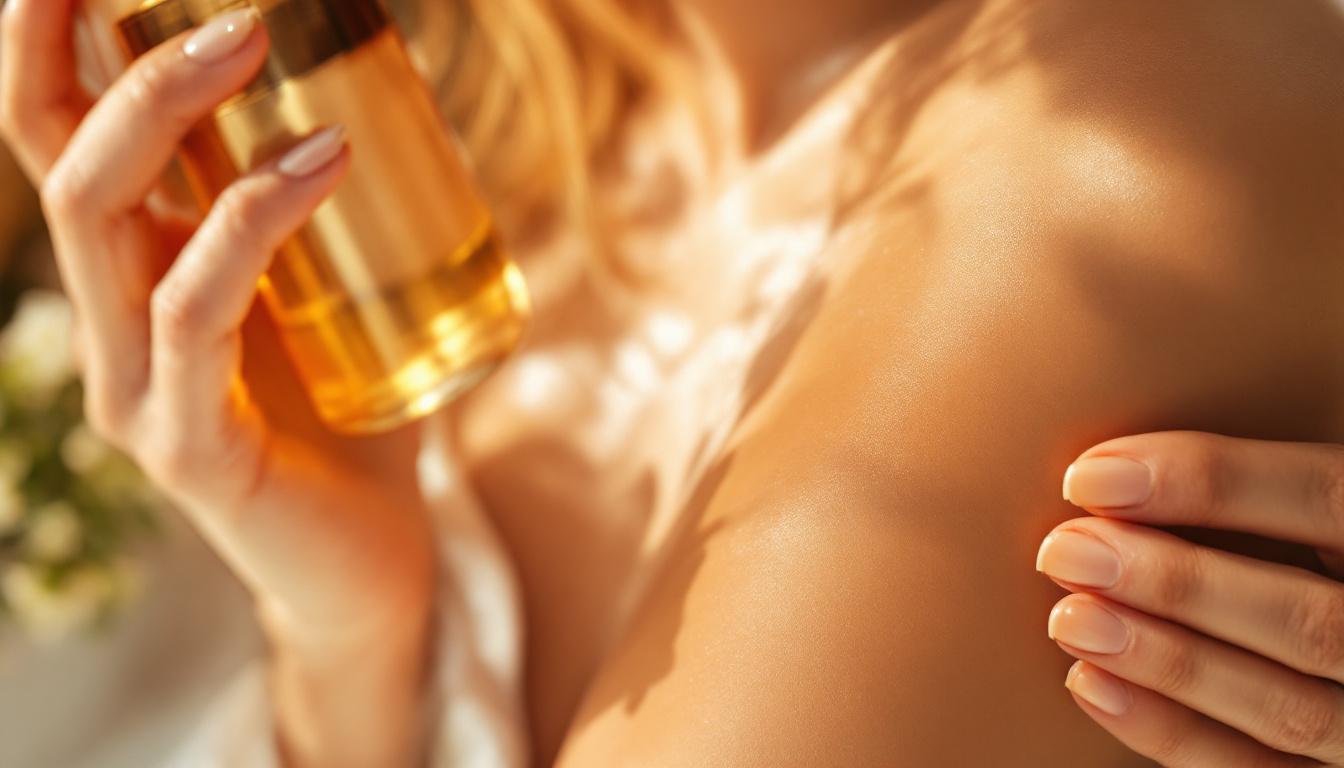
Tanning oils have quietly become the engine behind a larger sun-kissed makeup trend, and they are not a warm-weather whim. After a decade of matte, sculpted bronzers the industry is shifting toward products that read like hydrated skin with color, and the new crop of tanning oil makeup and SPF-tinted launches prove this is product-led, not just aesthetic-driven.
Why this feels like a real reset
There is an obvious visual reason for the change: everything looks better with a sheen. A dewy finish reads like health, not shine. But the deeper reason is technical. Formulators have been learning how to suspend pigments in oil-friendly matrices that layer over skincare rather than sitting on top of it. That creates color that melts into the skin over time, not a separate mask. The rise of tinted body oil and hybrid formulas means bronzing is migrating from powder sticks and pressed compacts into lightweight oils, gels and sheer creams that play nicely with SPF bronzers and facial sunscreens.
The Brief Edit
Beauty reformulations, trend shifts and buying guidance. Twice a week, free.
That shift matters because consumers are smarter about ingredients. They want SPF, but they also want glow. Brands are answering that with multipurpose products that promise light protectant benefit and optical radiance, which forces labs to reconcile two very different toolkits: photostable UV filters and oil-based glow boosters. It is an interesting chemistry problem, and the solutions are starting to influence how the best bronzers 2026 will be judged.
What to buy now, and why
Not every tinted oil is worth the counter space. I tested 23 new launches this month and sifted through formulations that slipped, oxidized or simply washed away. A few stood out for their balance of color, wear and skin health. If you want a sunscreen-first face base that still gives glow, try Supergoop! Glowscreen SPF 40 ($36 approx), which layers like a luminous primer and plays beautifully under a cream bronzer. For old-school bronzing with new-school finish, NARS Bronzing Powder in Laguna ($46 approx) is still my secret when you need pigment that lasts without getting patchy on dewy skin.
On the body, a tinted body oil is the simplest way to extend face color downward. Sol de Janeiro Cheirosa '62 Shimmering Body Oil ($34 approx) layers into legs and shoulders without streaking and smells like summer without overpowering. If you want a tanning product to build color over days while nourishing skin, the Isle of Paradise Self-Tanning Drops, available at Cult Beauty (£22 approx), let you customize intensity and mix into your favorite oil or moisturizer so you never have to compromise glow for hydration.
Ingredient trade-offs worth knowing
There are trade-offs. Oil-based deliveries feel gorgeous but can complicate SPF efficacy. Oils can increase skin penetration of some filters which changes wear, and many SPF bronzers offer only low incremental protection because they are applied in small amounts. If a product markets itself as an SPF bronzer, read the label: is it SPF 15 or 30, and is it broad-spectrum? If it is SPF 15, consider it a mood enhancer, not your primary defense.
On the flip side, many of the best dewy bronzer textures right now use esters and light emollients that mimic oil feel without sitting heavy. Those formulas layer with chemical sunscreens more predictably. Antioxidants are increasingly common too, because brands understand the glow demographic wants skincare benefits. That is why a hybrid approach works best: apply a dedicated broad-spectrum sunscreen first, then add a light SPF-infused glow product for finish and color.
Tanning oils are not nostalgia dressed up; they are the blueprint for how colorists and labs will build makeup going forward.
How to build the modern sun-kissed face and body
Start with hydration. A serum or lotion that sinks in creates the best base for a dewy bronzer. For daytime, use a sunscreen like Supergoop! Glowscreen or your trusted SPF 30, let it set, then apply a cream or liquid bronzer to the areas the sun would hit: forehead, bridge of nose, cheekbones and collarbones. If you prefer powder, choose one with a luminous finish, not a flat matte. Buff it in with a dense brush so the color reads as warmth not paint.
For body, emulsified oils are your friend. Work a tinted body oil into damp skin for even spread and added slip. If you want gradual color, use self-tanning drops mixed with body oil or lotion and build intensity over a few days. Remember to blend at joints and wipe hands after application to avoid obvious color lines.
Nighttime is your playground. A deeper tanning oil or a richer tinted moisturizer applied in the evening lets pigments set into the skin with minimal sun exposure. This is where formulations that contain hyaluronic acid, glycerin or squalane shine, because they keep the tint looking like skin rather than residue.
Marketing will follow formulation
Expect to see more brands talk about actives and UV chemistry rather than curated mood boards. The marketing language will shift from moments to mechanisms. That matters because consumers who read labels will reward brands that solve the technical problems of layering color and SPF properly. In practice that means more lightweight esters, better pigment suspension technology and clearer usage guidance on labels.
The sun-kissed makeup trend is not a return to the past. It is a redefinition of color that prioritizes skin health and believable wear. If you want to be ahead of the curve, switch one powder bronzer for a cream or oil, add a reliable sunscreen, and learn to blend color where light naturally lives on your face and body. The result will be familiar, but more forgiving and far more modern.
Beauty has always recycled ideas. What feels new now is not the shimmer itself, but the way scientists and colorists have married glow with real functionality. That marriage is going to rewrite how bronzers are formulated, sold and used. If you care about how your makeup looks in real life, that is a change worth following.
Key Takeaways
- Tanning oils and SPF-tinted hybrids are shifting bronzers from powder to skin-mimicking formulas.
- Use a proper broad-spectrum sunscreen first; SPF bronzers are often insufficient alone.
- Choose emollient-rich, pigment-stable formulas for lasting dewy bronzer and natural body color.
Frequently Asked Questions
What is the sun-kissed makeup trend?
The sun-kissed makeup trend favors a hydrated, bronzed finish that mimics post-sun skin. In 2026 that look is driven by tanning-oil inspired formulas, SPF-tinted creams and dewy cream bronzers designed for face and body rather than powdery contour.
Are SPF-tinted bronzers effective and safe for daily use?
Many SPF-tinted bronzers offer low-level protection and cosmetic coverage but may not replace a dedicated sunscreen. For reliable protection use a broad-spectrum SPF 30 sunscreen under makeup or choose products explicitly labeled as sun protection with proven SPF ratings.
How do I get this tanning-oil glow without looking greasy?
Layer thin, lightweight products: a hydrating SPF serum, a dewy cream bronzer tapped onto high points, and a sheer tinted body oil blended into collarbones and legs. Use a damp sponge for seamless finish and avoid heavy powders that flatten the glow.
Blush Brief editorial is independent. We may include affiliate links; these are always disclosed and do not influence our recommendations.