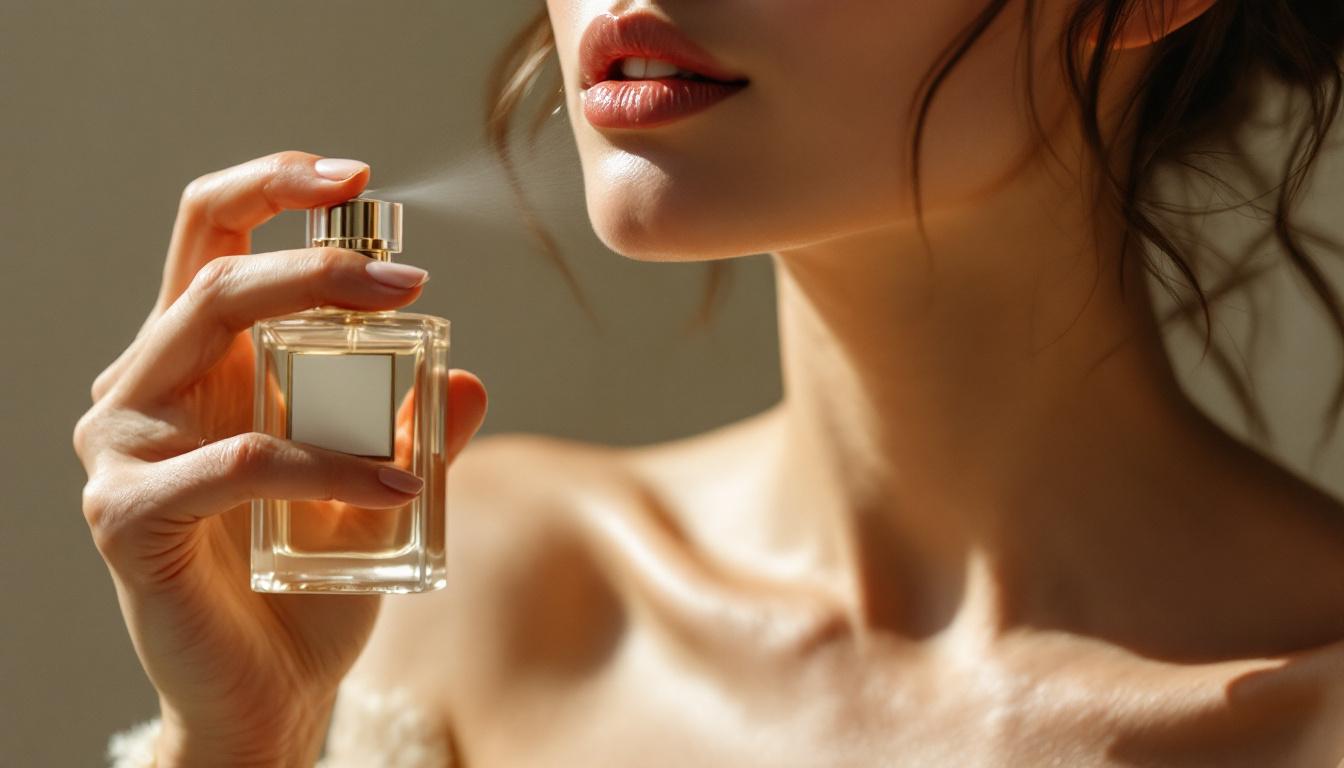
Why this matters
Readers invest in high‑end skincare and fragrances and care deeply about longevity and skin health. Viral fragrance tricks can undermine that investment by provoking irritation or long‑term barrier damage. This piece gives clear, authoritative guidance so readers can enjoy scent without sacrificing skin.
Perfume is not neutral; it negotiates with your skin every time you spritz. The surge of TikTok perfume hacks, from fragrance layering to mixing perfumes directly on the skin, has shoved the phrase perfume skin barrier into dermatologists' inboxes and urgent consultations. What began as playful experimentation on For You pages now looks, to skin experts, like a mass trial-and-error on a very delicate organ.
Why dermatologists are sounding the alarm
Dermatologists are seeing a pattern. Patients arrive with red, stinging cheeks, unexplained rashes and chronic flaking in areas where fragrance was applied. The culprit is not always an allergy. Often it is barrier disruption, a breakdown in the skin's natural defenses that lets irritants, allergens and microbes do what they like. Viral trends that encourage fragrance layering, perfume mixing and direct application of concentrated formulas make that risk worse.
The Brief Edit
Beauty reformulations, trend shifts and buying guidance. Twice a week, free.
“Fragrance molecules are small and chemically active,” Dr. Aderonke Obayomi recently told a health outlet. “When you layer multiple perfumes or mix them with oils or alcohol-based boosters, you create a chemical environment the skin did not evolve to tolerate.” Dermatologists see perfume irritation becoming more common, not less, because people assume that more scent equals more fun, and forget that the skin has limits.
What fragrance layering is actually doing to your skin
Fragrance layering, when done thoughtfully, is art. When done in a TikTok hurry and with ill-considered combos, it can be an assault. The typical viral approach involves combining two or three perfumes, a perfumed body oil and a scent booster. Each product has its own solvents, preservatives and concentration of aromatic chemicals. Together they can increase local acidity, strip lipids from the stratum corneum and strip away natural moisture.
That thin lipid layer is your first defense. Lose it and water escapes, irritants enter and inflammation follows. Clinically, this shows as increased transepidermal water loss, redness, sensitivity and sometimes secondary eczema. And because fragrances can contain photo-sensitizing notes, improper use can also make skin more reactive to sun, compounding long-term damage.
Dermatologist fragrance advice you should actually use
If you love scent, you do not have to give it up. You have to be intentional about how you choose, apply and pair fragrances. Start with a solid skincare foundation: cleanse gently, hydrate with a ceramide-rich moisturizer and use sunscreen. These are not optional when you plan to wear fragrance, especially on vulnerable areas like the décolletage, inner wrists and behind the ear.
Prefer perfumes with transparent ingredient lists. Many indie and niche houses list more complete formulations; mainstream brands increasingly disclose more information. Look for lower concentration options like eau de toilette or body mists for skin application, and reserve parfum concentrations for clothing and hair. Patch testing matters. Swipe a small amount behind the ear or on the inner forearm and wait 48 hours. If irritation appears, stop immediately.
For safe perfume layering, choose products designed to be combined, or layer within a single fragrance family: citrus with citrus, floral with floral. Avoid combining alcohol-heavy perfumes with scented oils on the same patch of skin. Oils can trap volatile molecules and increase their dwell time, which raises the chance of irritation. If you want longevity, consider applying an unscented, hydrating balm first to buffer the skin and create a moist environment that reduces evaporation.
A beautiful scent should not come at the expense of your skin's resilience.
Practical swaps and rituals that protect the barrier
Swap the wrist rubbing. It actually alters the fragrance and increases friction on the skin. Instead, let the scent bloom naturally. Spritz clothing or hairbrush bristles for an enveloping scent that bypasses the skin altogether. Use fragrance-free moisturizers under scented products, and never apply perfume to freshly exfoliated or compromised skin.
When experimenting with TikTok perfume hacks, apply one change at a time. Try a single layering technique for a week and monitor your skin. If you notice perfume irritation, pare back immediately. Be cautious with heat and friction: exercise, tight fabrics and humid environments increase absorption and can turn a subtle perfume into an irritant. And don't chase longevity by increasing dose. More is rarely better; it is often the cause.
For those who experience chronic sensitivity, consult a dermatologist before doubling down on trends. Patch testing in clinic can reveal allergic contact dermatitis to specific fragrance components, and your dermatologist can recommend fragrance-free alternatives or therapeutic perfumery solutions tailored to sensitive skin.
A cultural note on scent and safety
We have always used scent to mark identity, memory and mood. The fury of social media is not inherently bad; it democratizes discovery. But when trends normalise risky behaviour, the onus should shift back to creators, brands and platforms to promote safer practices. Beauty editing must hold space for pleasure and for prudence. There is nothing more glamorous than skin that is healthy and resilient.
If you love perfume, be curious but not reckless. Read labels. Patch test. Use smarter layering techniques. If a trend asks you to treat your skin like an experiment, treat it like it is: precious, irreplaceable and worthy of care.
Your scent should be an accessory, not a liability.
Key Takeaways
- Perfume can disrupt the skin barrier, leading to irritation and chronic sensitivity
- Avoid haphazard fragrance layering and TikTok perfume hacks; patch test and use lower concentrations
- Protect your skin by hydrating first, layering thoughtfully and applying scent to clothing or hair instead of compromised skin
Frequently Asked Questions
Can perfume damage the skin barrier?
Yes. High‑alcohol formulas, concentrated synthetics and essential oils can strip lipids and irritate compromised skin. Repeated application to freshly exfoliated or broken skin raises the risk. Patch test new scents, avoid spraying on inflamed areas and choose gentler formulations if your barrier is healing or you have sensitivity.
Are TikTok fragrance hacks unsafe?
Some are harmless showmanship but others pose real risks. Mixing perfumes with active skincare, over‑layering several fragrances, or applying scents to freshly exfoliated skin can cause irritation or phototoxic reactions. Dermatologists advise evidence‑based tweaks rather than trends: patch test and avoid doing hacks on fragile skin.
How do I layer perfume without irritating my skin?
Start with moisturized, healed skin using an unscented balm. Spray from a distance onto hair or clothing, or mist the air and walk through for a subtler effect. Use one complementary fragrance at a time, patch test new combinations and stop if redness or burning appears. See a dermatologist for persistent reactions.
Blush Brief editorial is independent. We may include affiliate links; these are always disclosed and do not influence our recommendations.